



Precision ESC Mounting Plates for Motor Drives


Functions and Requirements of ESC Mounting Plates
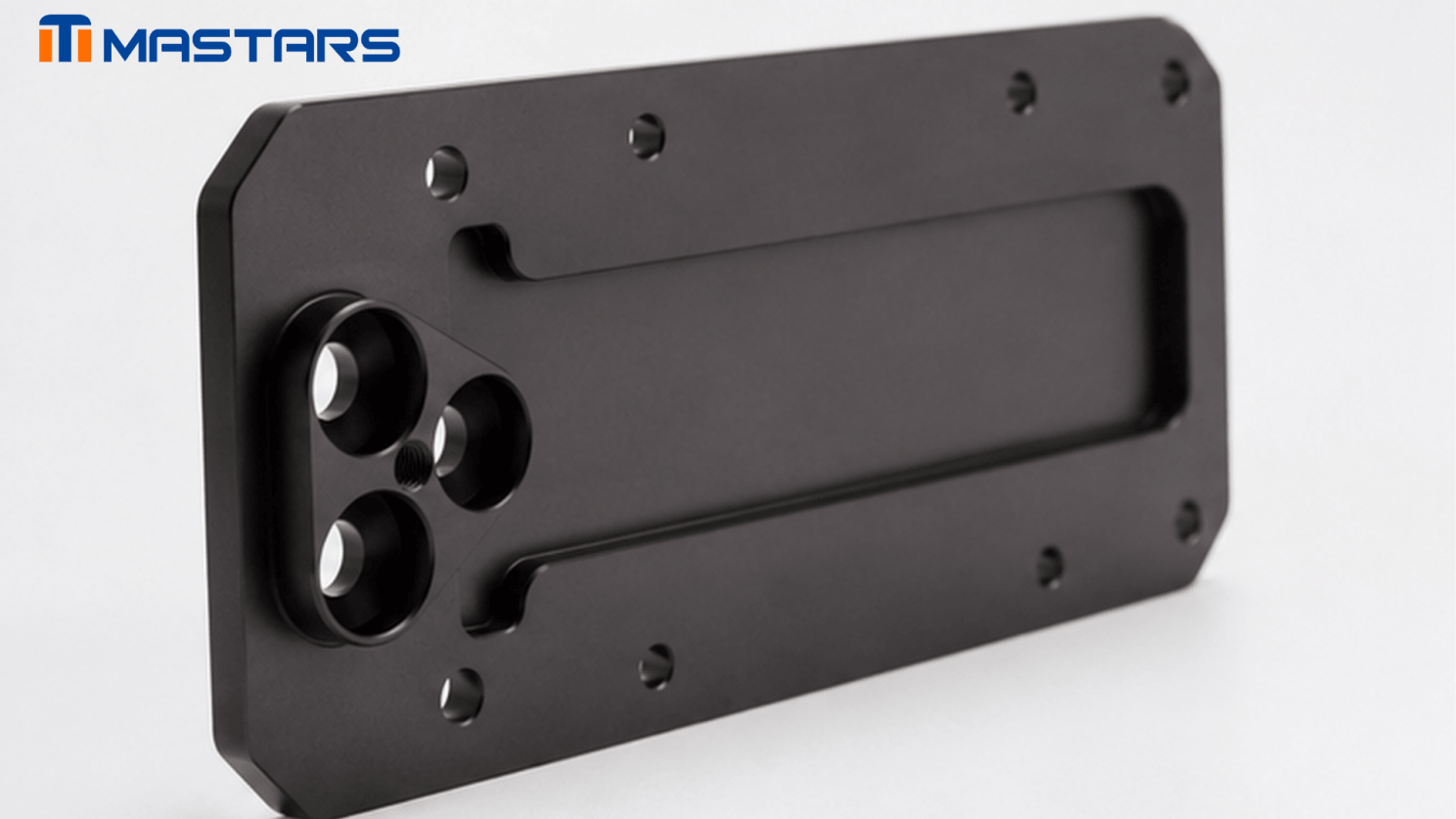
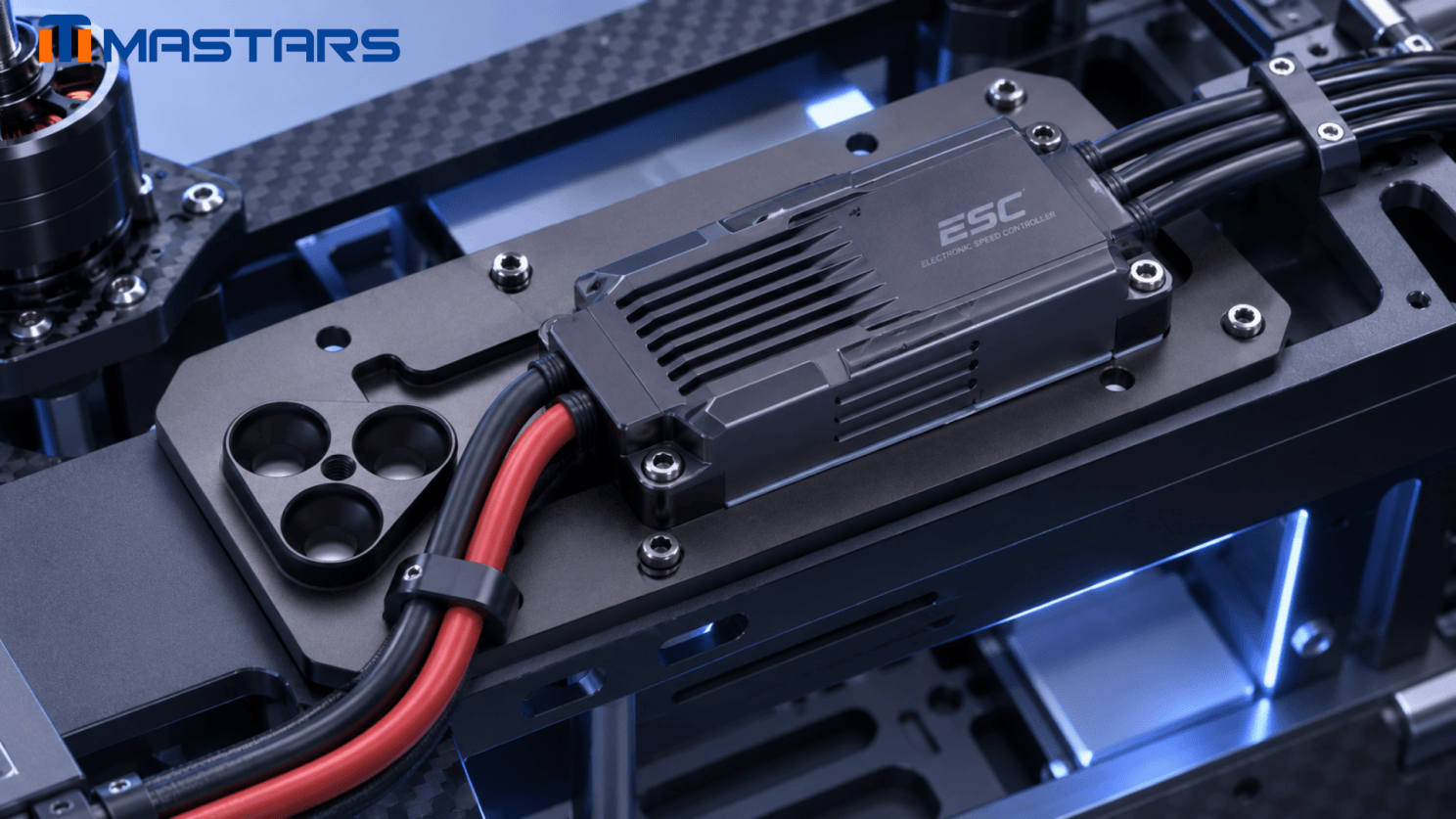
In motor drive systems, an ESC mounting plate is mainly used to secure and position the electronic speed controller. CNC machining from 6061-T6 aluminum provides the required structural support while keeping weight under control. The mounting holes, counterbores, machined pockets, and contact surfaces must fit correctly, while the aluminum plate can also help spread heat.
As the part moves into repeated assembly and ongoing delivery, consistency becomes more important. Variations in hole position, counterbore depth, pocket geometry, flatness, or mating dimensions after hard anodizing can affect screw seating and ESC alignment, leading to additional adjustment and rework. Inspection should therefore confirm not only individual dimensions, but also the relationships between the mounting features.
Coordinating Geometry, Machining, and Surface Finish
The main manufacturing risk is loss of consistency at the mounting points. A hole can meet its own tolerance and still create an assembly problem if it is not positioned correctly relative to the seating surface. When fine machining and anodizing are planned separately, the finished plate may clamp unevenly, shift the ESC, or require manual adjustment.
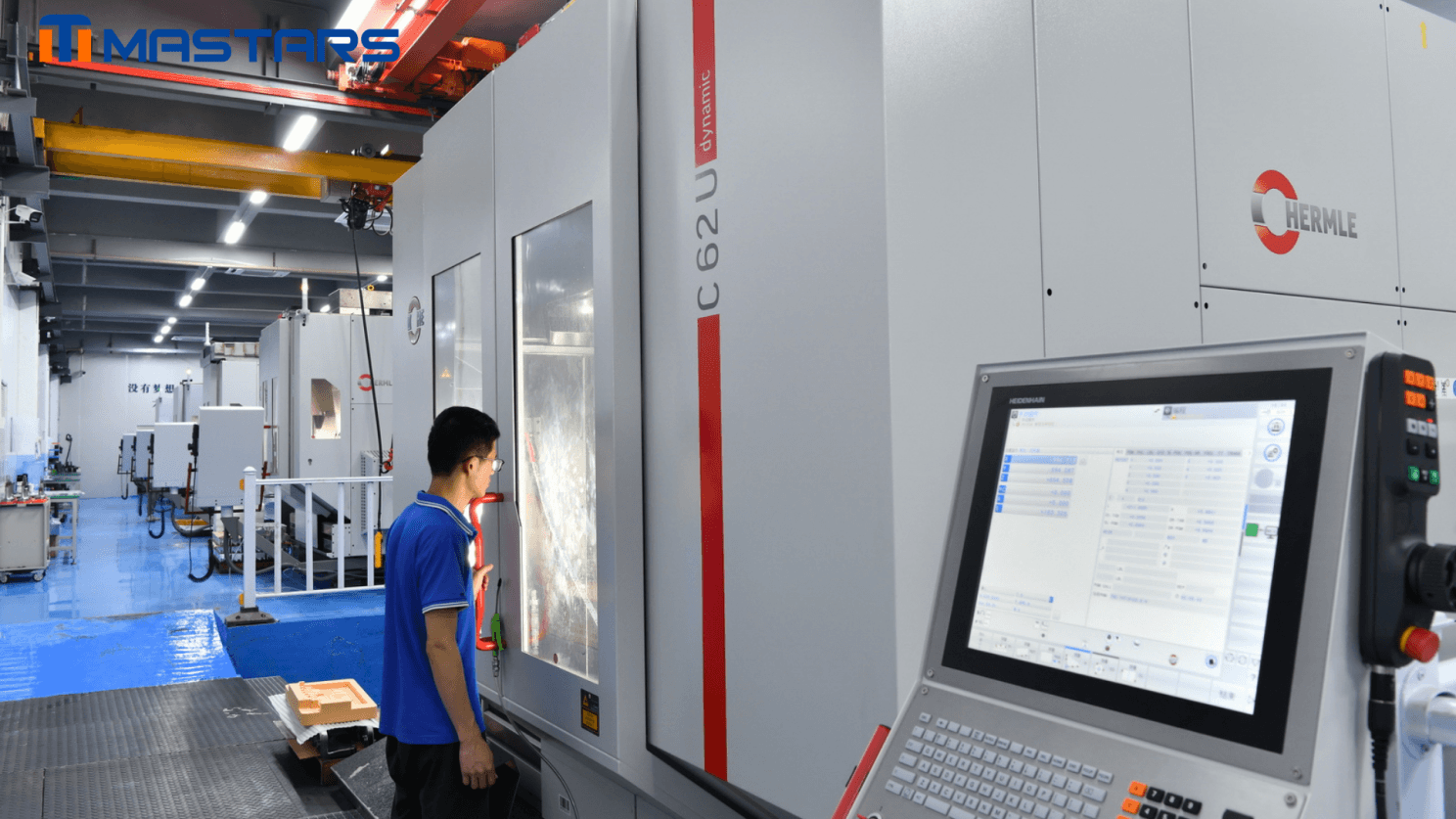
Mastars manages the part as one connected manufacturing route. DFM review first identifies the dimensions that control positioning and fastening. CNC fixture planning and fine machining, then hold those relationships before the plate receives black hard anodizing. After surface treatment, traceable inspection checks the critical mounting features in their finished condition. This sequence links the drawing requirement to the actual part received by the customer.
More Predictable Parts and Assemblies
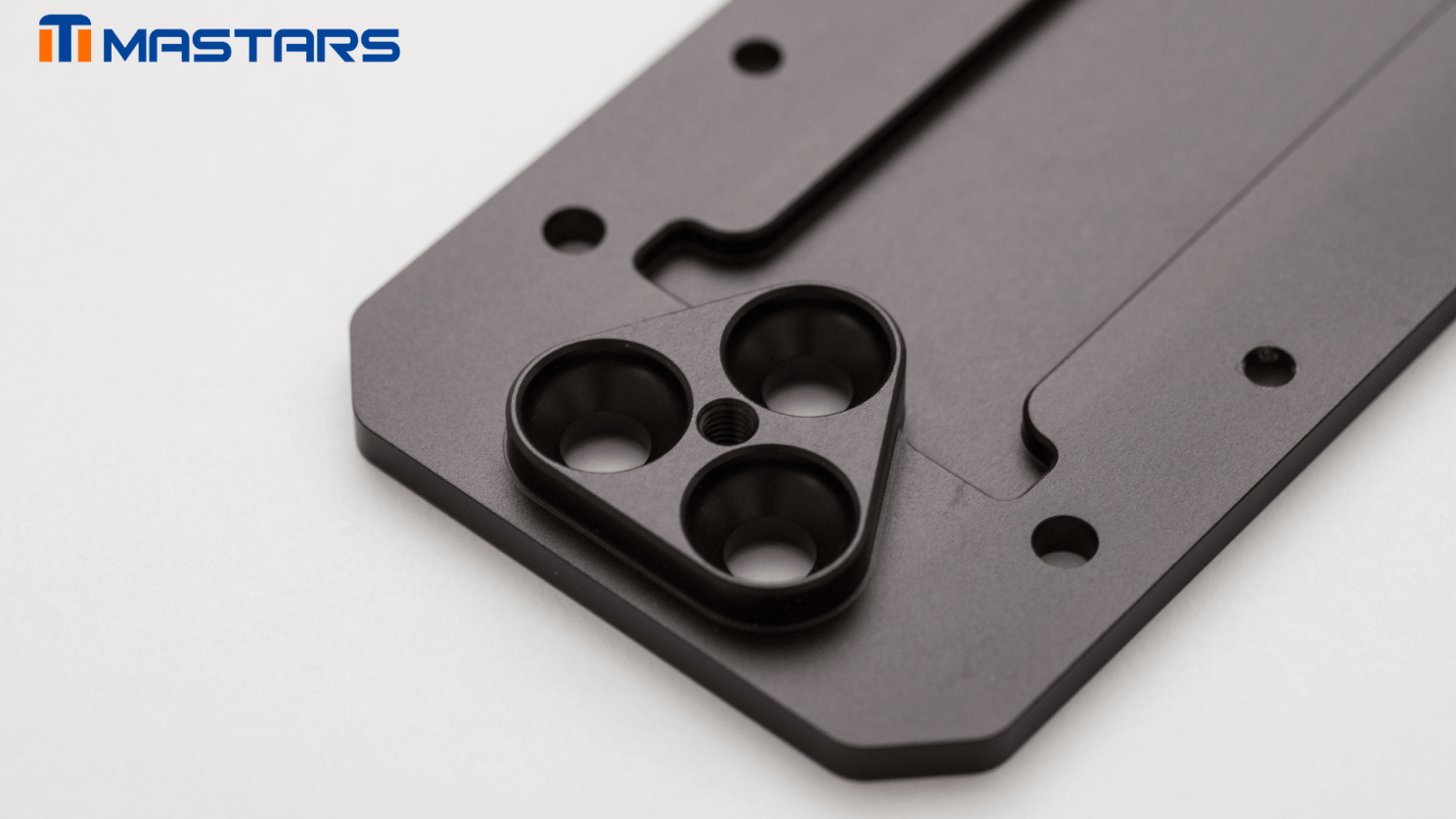
A 6061-T6 aluminum ESC mounting plate that balances low weight, strength, heat spreading, and surface durability.
These features translate into practical delivery gains:
✅ A density of approximately 2.70 g/cm³ helps control overall system weight.
✅ Typical tensile strength is about 310 MPa, with yield strength around 270 MPa, providing stable structural support.
✅ Typical thermal conductivity is approximately 167 W/(m·K), helping spread heat from the ESC.
✅ Fine machining helps maintain the relationship between holes, counterbores, and pockets.
✅ Black hard anodizing improves surface wear and corrosion resistance.
Extending Control Across Related Applications
The same delivery pressure appears wherever a machined plate must combine low mass, reliable fastening, controlled contact surfaces, and repeatable small-batch production. The benefits above therefore extend beyond one ESC program, especially when electronics, mechanics, and finishing requirements meet at the same mounting interface. That combination is common in several related product groups.
Similar engineering requirements often appear in these areas:
- UAV systems — ESC mounting and electronics base plates
- Robotics — motor-controller carrier plates
- Electric mobility — drive-controller mounting plates
- RC platforms — compact power-electronics brackets
- Industrial automation — servo-drive support plates
Whether the current part is an ESC plate, controller carrier, or compact electronics base, the key is to define its mounting, anodizing, and inspection interfaces before production begins. Which hole patterns, mating surfaces, finish requirements, and order quantities matter most in your design? Contact Mastars to review the part and align the manufacturing route before production.

Mastars, the most trusted one-stop manufacturing services provider for low-volume production worldwide!
Hot Articles
Hot Tags
Stay Connected!


Manufacturing on Demand
Please fill in the following information to obtain plan details (information is confidential and not disclosed publicly), we will contact you within 24 hours, please keep your phone available!
Upload a 3D/2D model to see instant pricing, lead time, and DFM feedback.