



CNC Prototype Validation for Aluminum Automotive Interior Door Handles


Before Tooling, Risks Need Proof
When an automotive team needs to validate an aluminum interior door handle before production tooling, how can they confirm its metal texture, hinge movement, assembly fit, surface finish, and opening feel with a real part in hand? For designers, engineers, and sourcing teams, this type of handle is small, but it connects appearance, touch, rotation, strength, marking, and assembly reliability in one component. After the first design direction is approved, the pressure often shifts from “does it look like the design?” to “can it be touched, pulled, assembled, and reviewed like a real product?” If the hinge hole, cable slot, edge finish, surface texture, or “OPEN” marking needs to change after tooling starts, the project may face extra cost, longer lead time, and repeated engineering discussion.
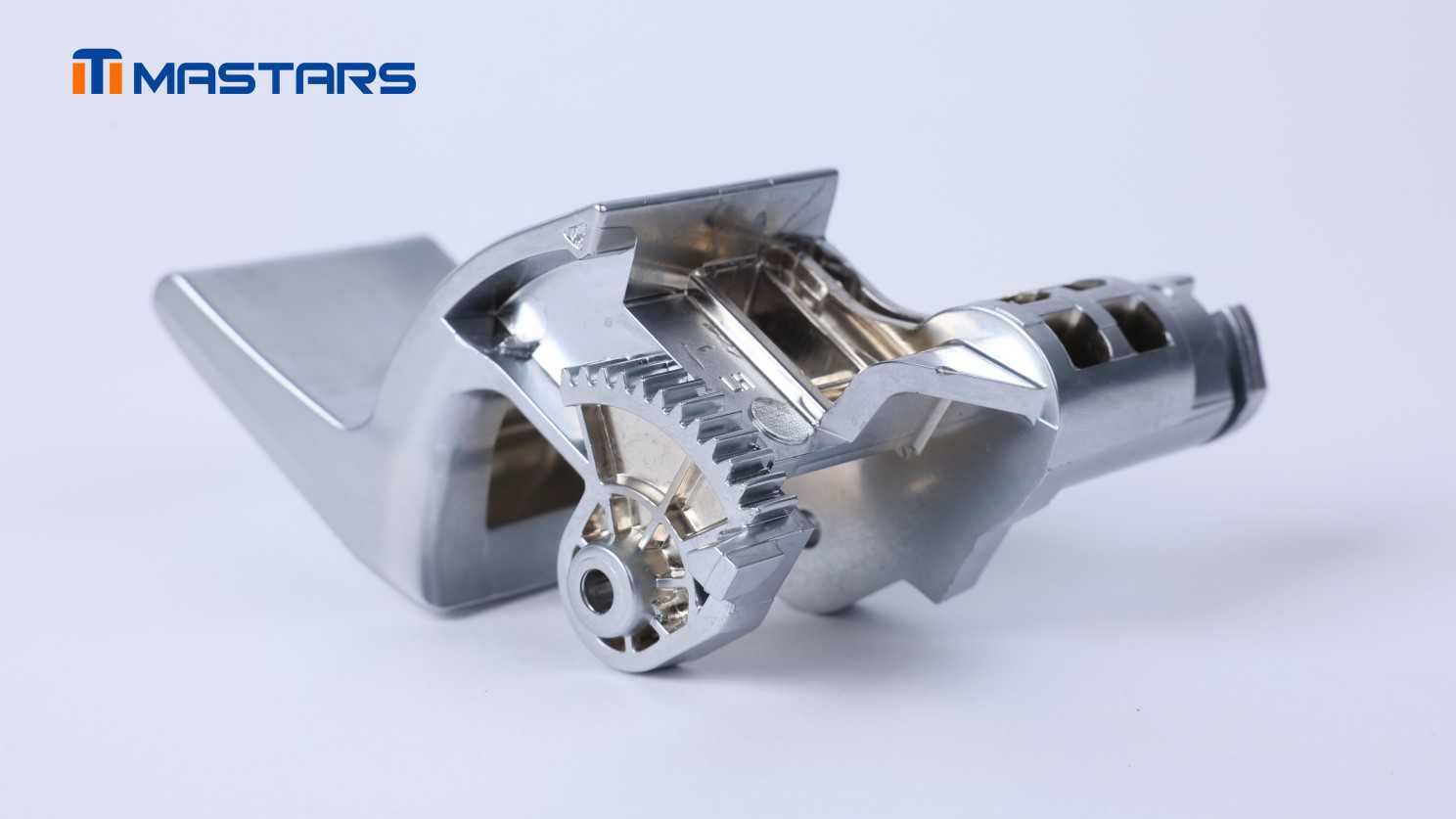
Aluminum interior handle prototype with detailed structural features.
From Machining to Finished Review
For an aluminum interior handle prototype, the risk is not only the outer shape. If the rotation axis, connection slot, burr control, surface texture, and marking position are not verified early, the part may look correct in CAD but still fail in hand feel, assembly clearance, or visual acceptance. That is why CNC prototyping is often used before the project moves into production tooling. Mastars supports this type of project through a one-stop multi-process route: CNC machining, drilling and slot milling, deburring, edge finishing, polishing, brushing, sandblasting, anodizing or protective coating, laser marking, assembly trial, and inspection verification. Instead of treating machining, finishing, and assembly as separate steps, Mastars links them into one controlled prototype-to-production review path.
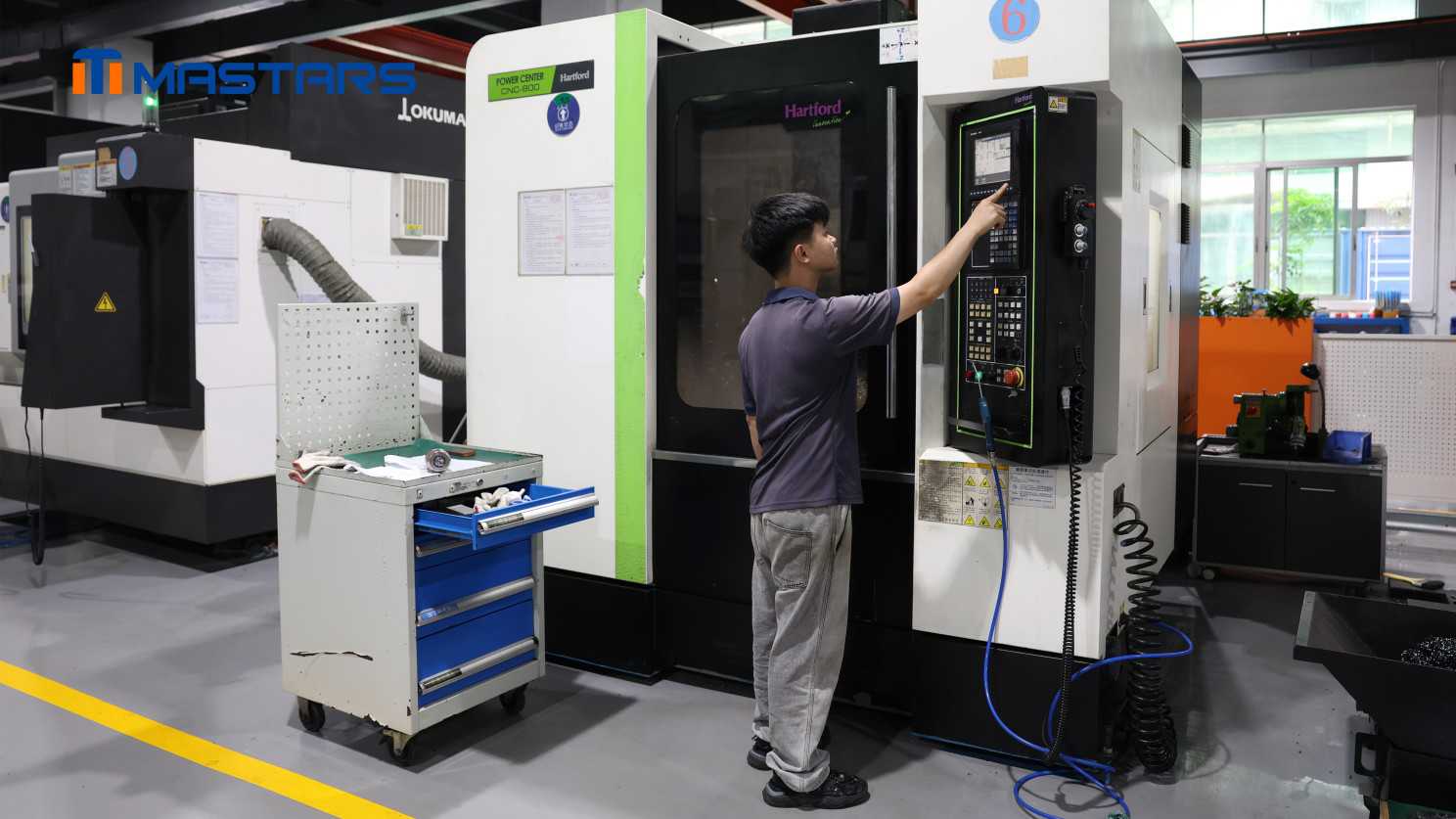
CNC workshop review for aluminum prototype machining.
From Machining to Finished Review
Mastars helps customers validate aluminum automotive interior handle prototypes through one coordinated workflow, covering machining accuracy, surface quality, marking, assembly fit, and functional review.
These validation results directly guide the next manufacturing decisions:
✅ Complete aluminum handle prototype validation within 7–10 days through CNC machining
✅ Verify hinge holes, connection slots, and assembly interfaces early to reduce 1–2 rounds of later revisions
✅ Improve touch safety and assembly smoothness through deburring and edge finishing
✅ Connect brushing, polishing, blasting, anodizing, or coating in one workflow to shorten cross-process communication by around 20%–30%
✅ Integrate marking, trial assembly, and inspection in one workflow to reduce prototype review iterations
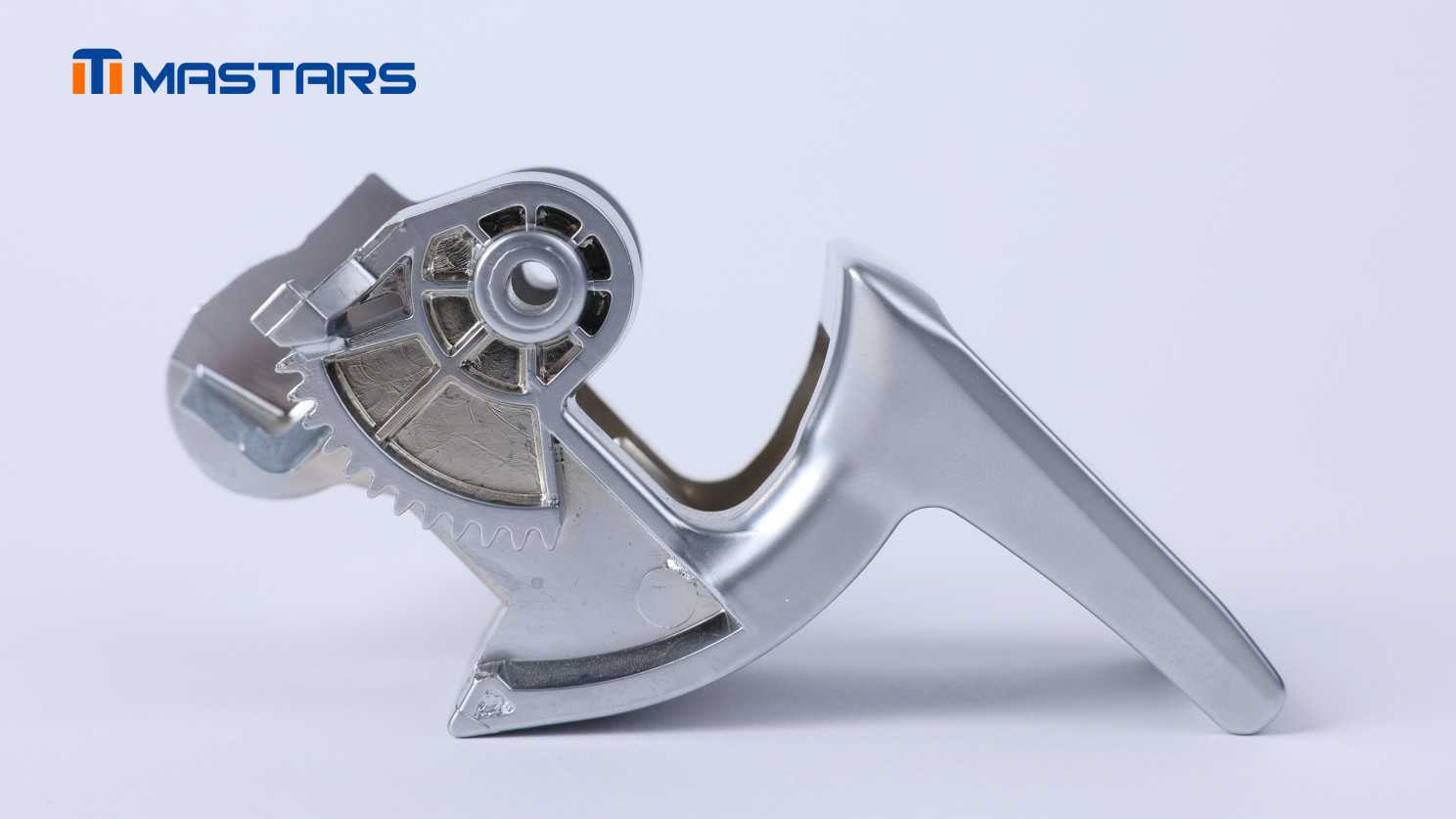
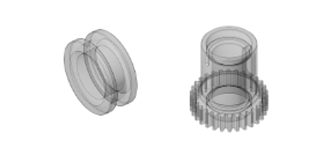
Hinge hole, gear profile, and assembly interface validation.
Where Similar Programs Can Start
This pressure is common across automotive interior and precision hardware projects. A prototype is not only a shape sample; it is often the first moment when engineering, design, purchasing, and assembly teams can review the same part from different angles. The same logic also applies to more parts that balance appearance and function:
- Automotive Interior — door handles, knobs, trims, and latch parts
- Mobility Products — aluminum brackets, covers, and functional housings
- Consumer Hardware — premium handles, hinges, and metal appearance parts
- Industrial Equipment — small structural parts with assembly interfaces
Are you developing an aluminum part that needs CNC accuracy, finished appearance, marking, assembly fit, and functional feedback before tooling? Share your requirements with Mastars, and let our team help you connect machining, finishing, inspection, and production planning in one workflow.

Mastars, the most trusted one-stop manufacturing services provider for low-volume production worldwide!
Hot Articles
Hot Tags
Stay Connected!


Manufacturing on Demand
Please fill in the following information to obtain plan details (information is confidential and not disclosed publicly), we will contact you within 24 hours, please keep your phone available!
Upload a 3D/2D model to see instant pricing, lead time, and DFM feedback.