



From Die Stability to Assembly Fit: Manufacturing a Stage-Light Pan Shaft


Assembly Stability Starts Before Final Assembly
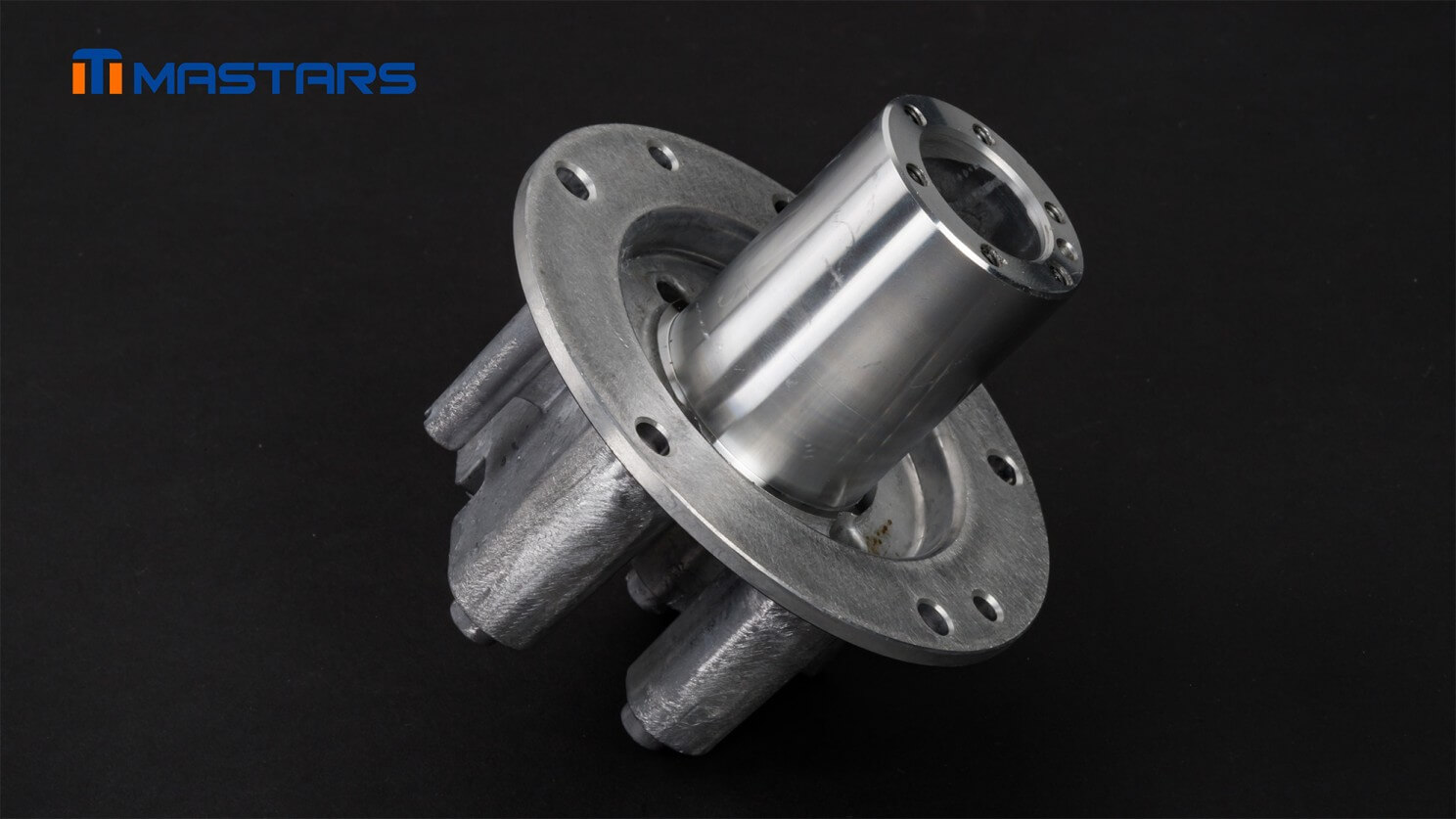
Mastars supported a customer in manufacturing a die-cast Pan Shaft component for stage-lighting equipment, including tooling, die casting, trimming, secondary machining, and dimensional verification around the final assembly requirements.
The component combines a circular flange, multiple raised bosses, mounting holes, and a rear cylindrical feature. After casting, gates and overflow features must be removed, while several cast areas require further machining to become functional threaded, locating, and mounting interfaces.
For the customer, the real challenge was therefore not simply producing a die-cast blank. Stable final assembly depends on how well the tooling, cast geometry, machining allowance, and critical interfaces are controlled from the beginning.
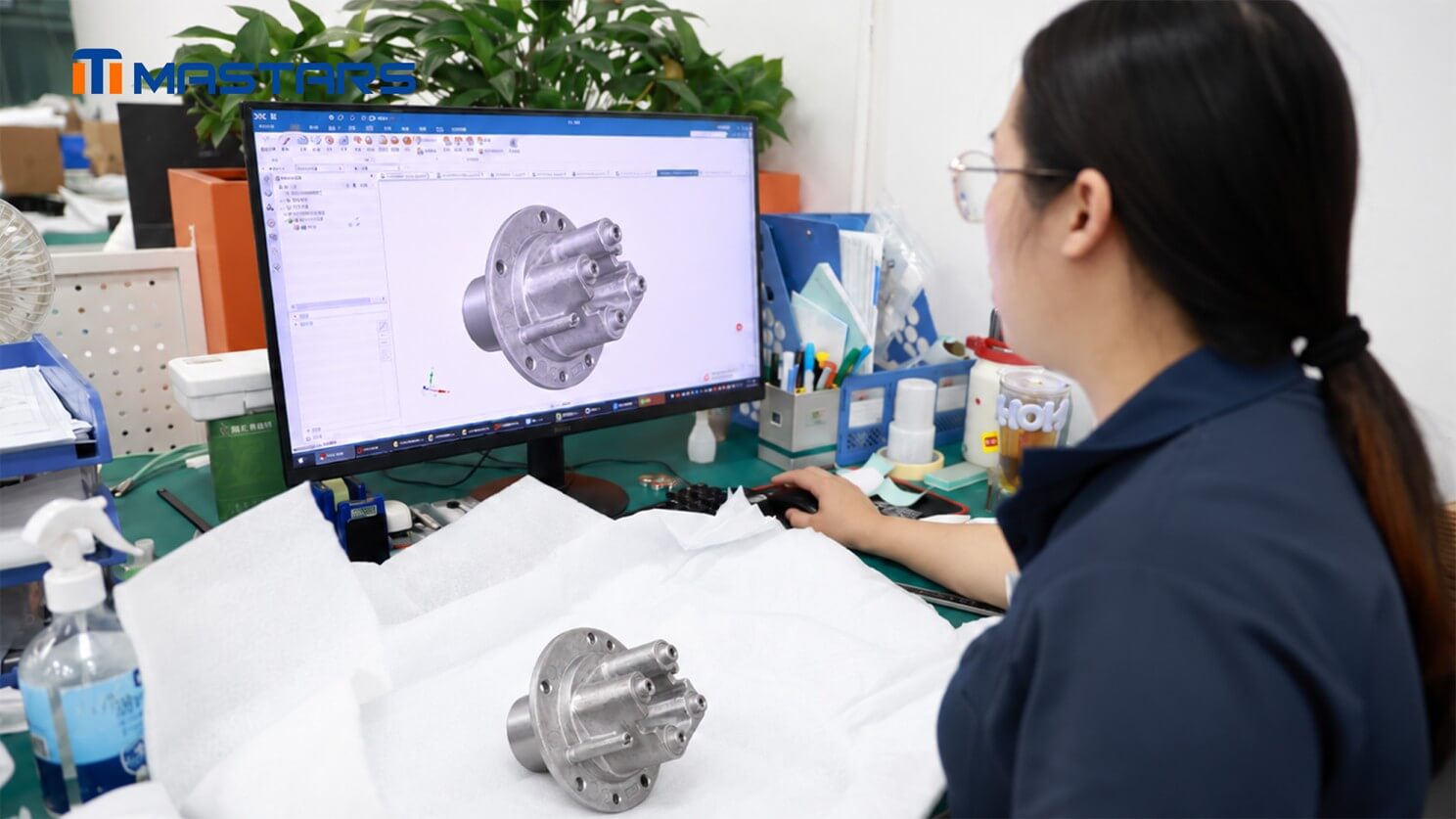
When Casting Variation Reaches the Assembly Line
For a component used inside a stage-light mechanism, casting variation can continue into every downstream operation.
Changes in flange geometry, boss position, or machining allowance can make drilling, threading, and cylindrical machining more difficult to control. The flange, threaded bosses, and rear cylindrical interface are not independent features—they must ultimately work together within the same assembly relationship.
If these risks are not controlled early, they may later appear as:
- inconsistent assembly fit;
- unstable threaded or locating interfaces;
- greater machining adjustment;
- increased die maintenance;
- dimensional variation between production batches.
In other words, a problem that begins in tooling or casting may eventually appear to the customer as an assembly problem.
The later that variation is addressed, the more difficult and costly it becomes downstream.
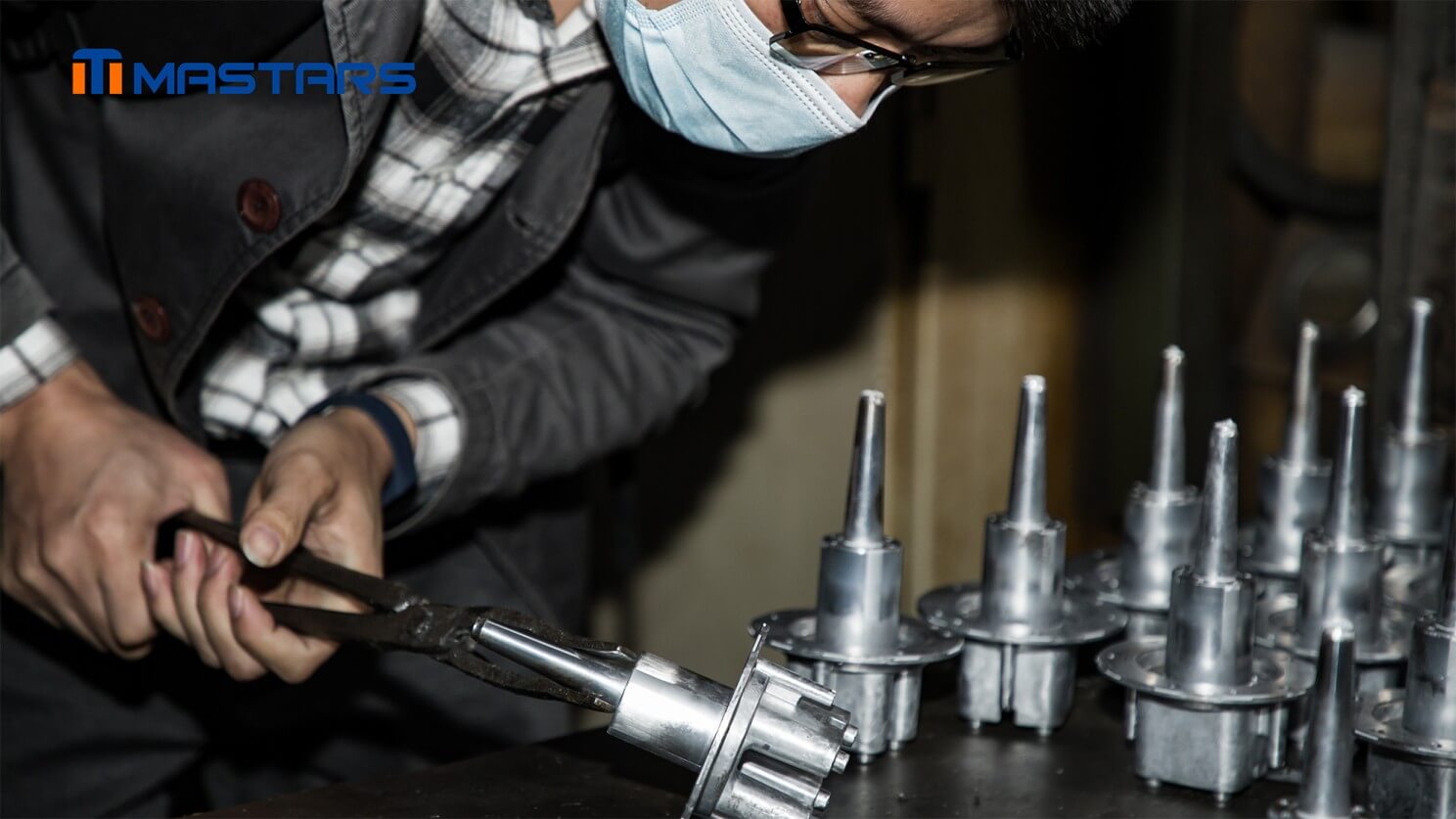
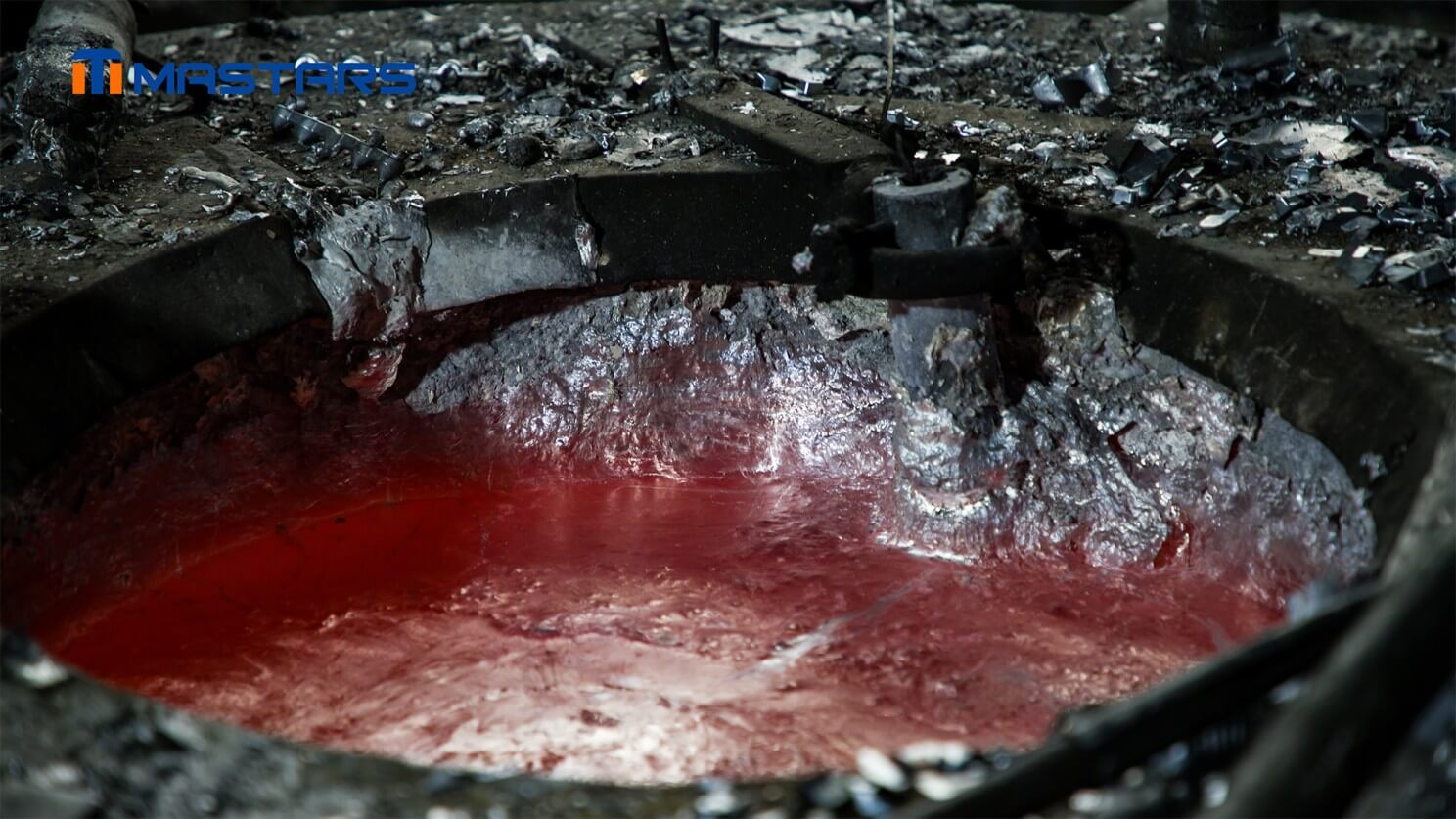
Mold Steel Must Match the Real Casting Conditions
This is why Mastars does not treat die steel as a generic tooling material choice.
Compared with injection-molding tooling, die-casting dies repeatedly experience rapid heating and cooling from molten metal, making thermal fatigue, heat checking, erosion, and localized cracking particularly important considerations. Injection-mold steel selection is more often influenced by factors such as wear, corrosion resistance, polishability, surface requirements, and resin characteristics.
For die casting, mold-steel selection must therefore be considered together with the actual operating conditions, including:
casting alloy and melt temperature;
expected production life;
core and insert geometry;
cooling layout and localized heat concentration;
machining, repair, and long-term maintenance requirements.
The most suitable material is not simply the steel with the highest hardness.
Mastars evaluates mold material together with heat treatment, cooling strategy, mold structure, and the expected production conditions so that tooling stability supports the casting process that follows.
The final steel grade should therefore be determined according to the actual casting alloy, mold structure, expected tool life, and thermal-management requirements of the project.
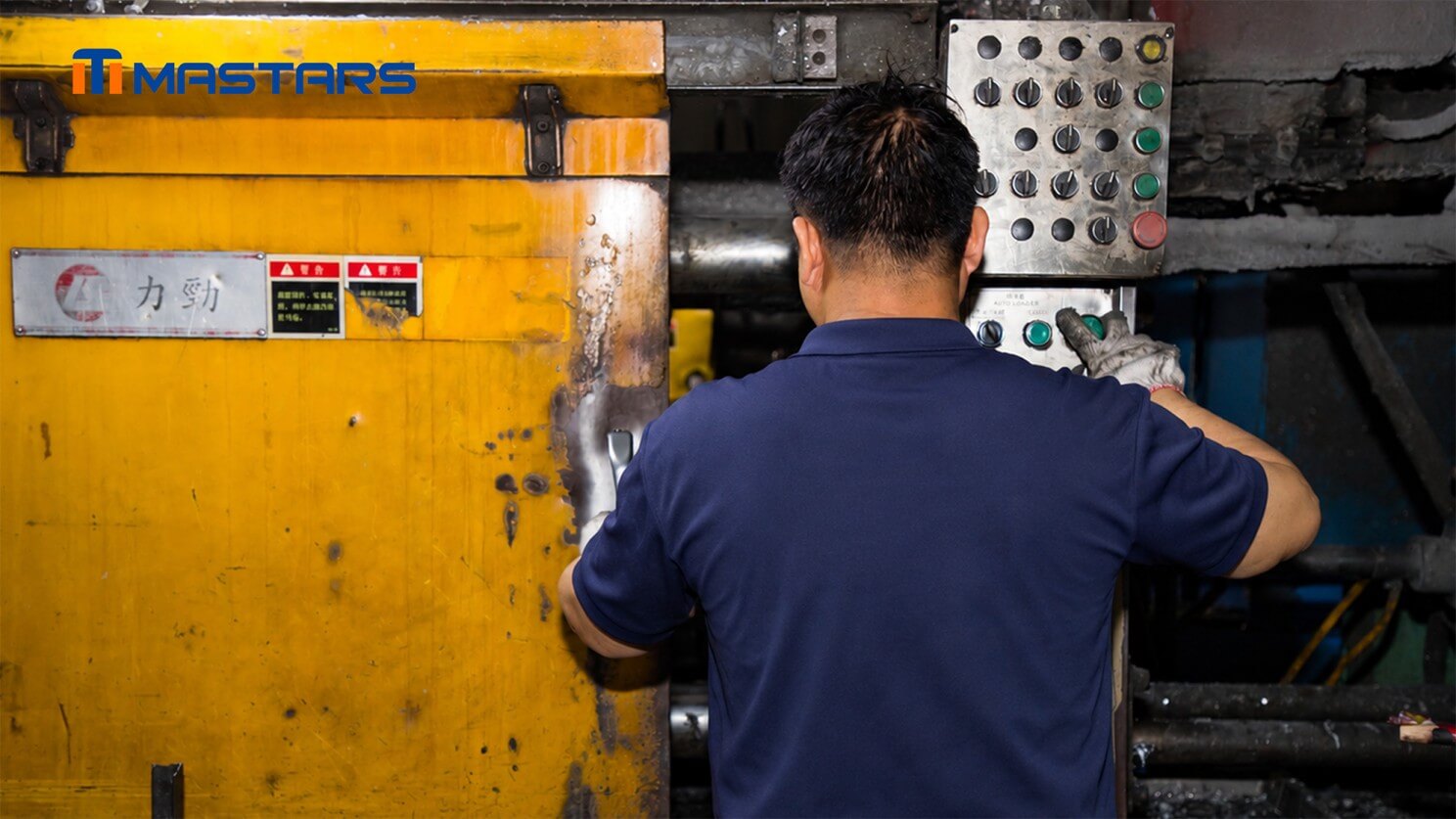
From Near-Net Casting to Critical Assembly Interfaces
Once the tooling provides a stable foundation, the next priority is to keep precision focused on the areas that actually affect assembly.
The main body, flange, bosses, and structural transitions can be produced close to final form through die casting. Secondary machining can then concentrate on the functional areas where fastening, positioning, and mating relationships require tighter control.
For this Pan Shaft component, Mastars connects the route as follows:
Die tooling and casting — establish stable near-net geometry for the flange, bosses, main body, and rear structure.
Gate and overflow removal — remove casting-process features while protecting surrounding functional geometry.
CNC machining and threading — finish threaded bosses, flange features, and the rear cylindrical mating interface.
Dimensional verification — confirm that machined features remain correctly related to the casting geometry and assembly datums.
The objective is not to machine the entire casting to high precision.
It is to preserve the efficiency of die casting while putting machining accuracy exactly where the stage-light assembly depends on it.
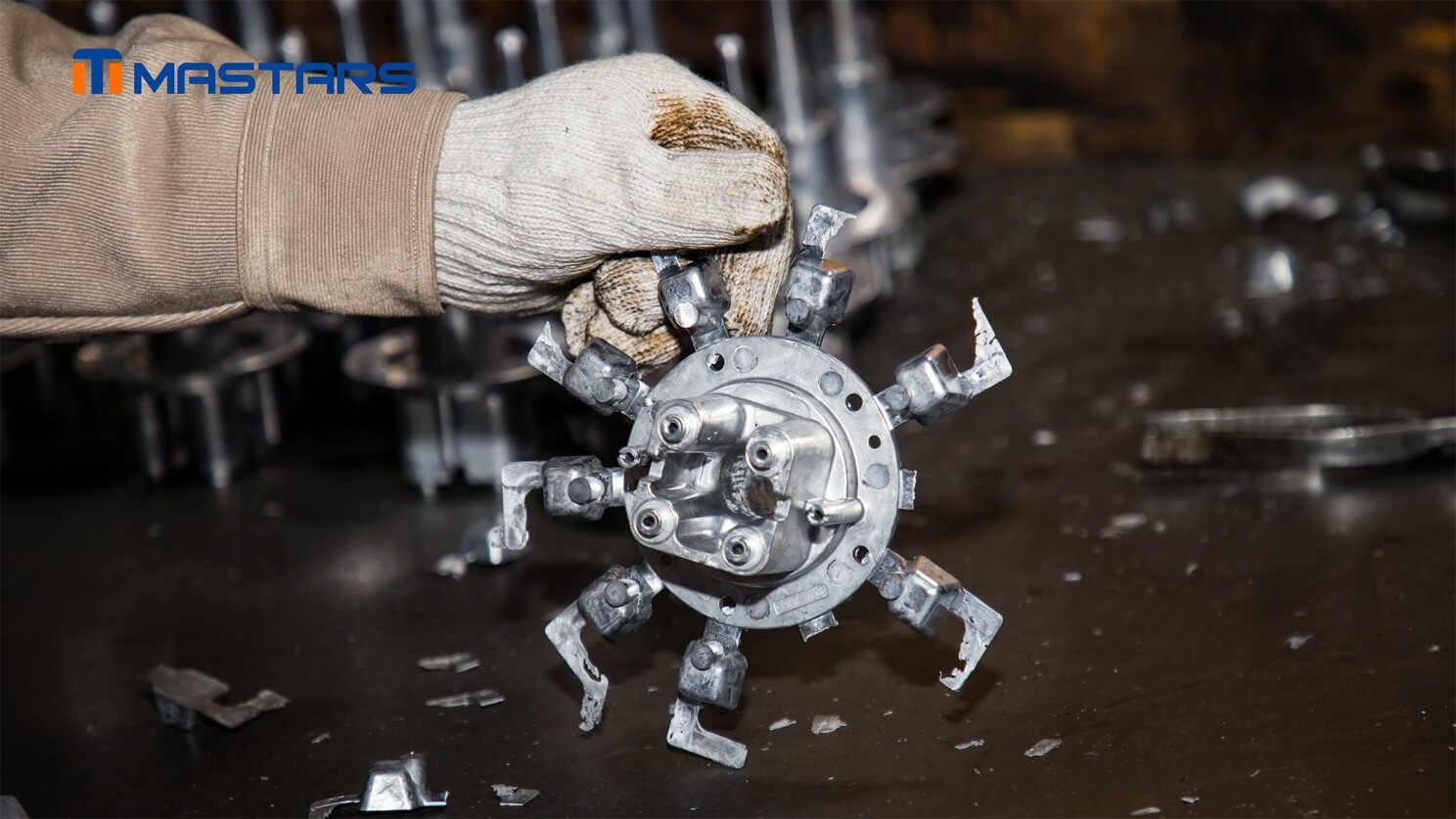
What This Manufacturing Route Gives the Customer
The value of this route is to prevent variation from moving from tooling into casting, then machining, and finally final assembly.
4 main threaded bosses are considered as one fastening relationship, rather than four isolated machining features.
4 connected manufacturing controls — tooling, die casting, trimming, and secondary machining — are coordinated around the same final assembly requirements.
The flange mounting pattern, threaded bosses, and rear cylindrical interface are treated as related functional features rather than separate operations.
Mold-steel selection is evaluated against thermal fatigue, wear, repairability, local thermal load, and expected tool life instead of relying on a generic tooling specification.
Precision machining is concentrated on the critical interfaces, avoiding unnecessary machining costs on cast surfaces that do not require the same level of control
What Still Needs to Be Controlled in Repeat Production
Before stable repeat production, the features that directly affect assembly should continue to be verified, including thread quality, flange-hole position, flange flatness, the rear cylindrical interface, and the positional relationship between cast and machined features.
If the rear cylindrical section functions as a locating or rotating interface, concentricity, runout, and mating fit should also be controlled according to the customer drawing.
Tooling condition matters as production continues. Flash development, critical dimensional trends, die wear, and maintenance records should be monitored to ensure that gradual changes in the die do not lead to machining or assembly problems.
Where the Same Manufacturing Logic Applies
The same stable tooling + near-net die casting + selective precision machining logic applies whenever a structural casting must also provide reliable mounting, locating, or threaded interfaces.
- Stage & Entertainment Equipment — moving-head light components, pan/tilt mechanisms, mounting hubs, structural housings
- Robotics & Automation — rotary joints, actuator housings, arm bases, fixture hubs
- Industrial Equipment — motor end covers, bearing supports, pump housings, drive mounts
Automotive Systems — motor housings, actuator brackets, control mounts, structural supports.
If your die-cast component also depends on both tooling stability and precision-machined interfaces, where is the greater risk today: mold life, casting consistency, machining allowance, or final assembly fit? Contact Mastars to discuss your drawings and manufacturing requirements.

Mastars, the most trusted one-stop manufacturing services provider for low-volume production worldwide!
Hot Articles
Hot Tags
Stay Connected!


Manufacturing on Demand
Please fill in the following information to obtain plan details (information is confidential and not disclosed publicly), we will contact you within 24 hours, please keep your phone available!
Upload a 3D/2D model to see instant pricing, lead time, and DFM feedback.