



Engineering Reliable Agricultural Equipment Components with Precision Injection Molding


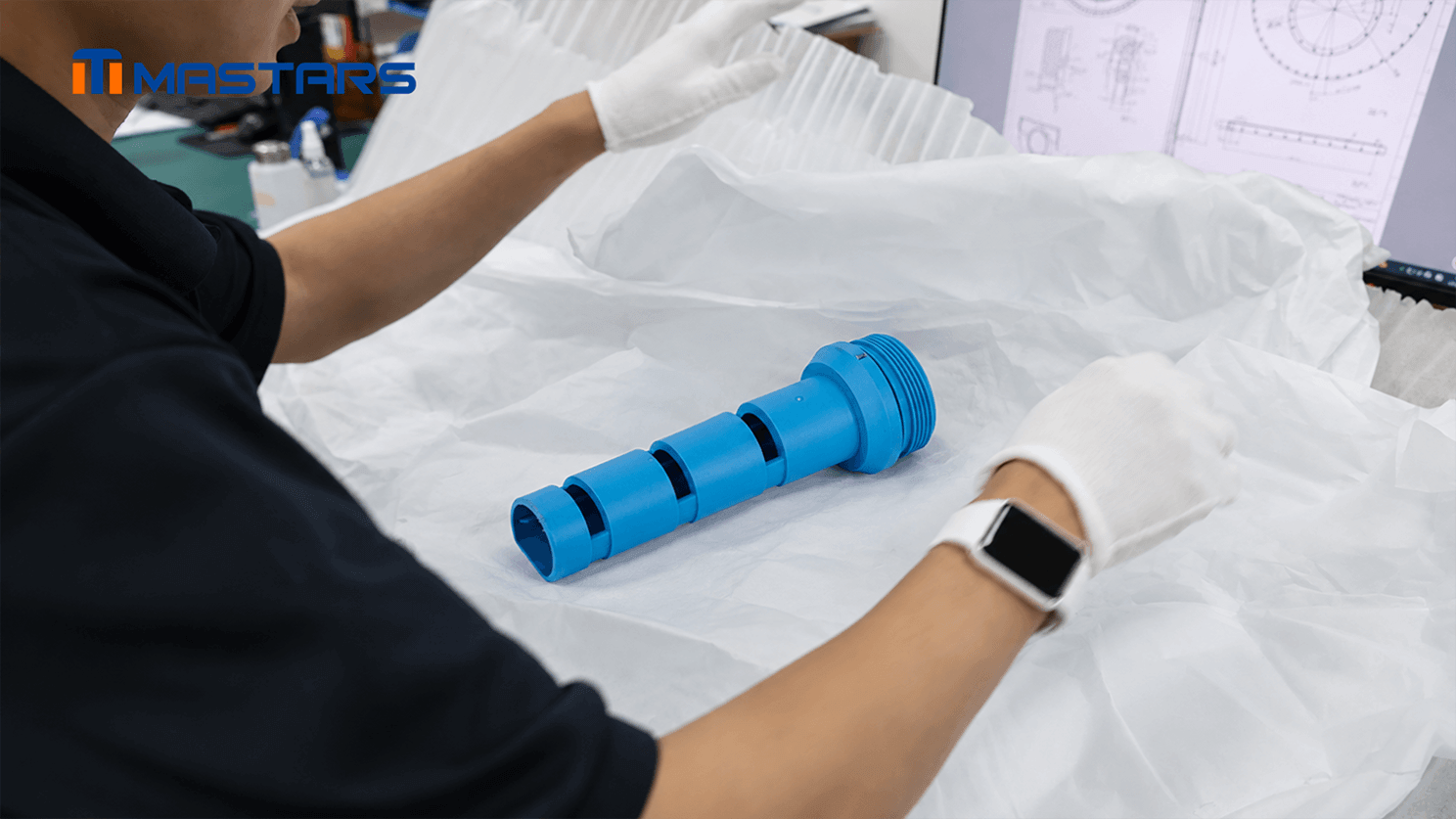
A Functional Injection Molded Component for Agricultural Applications
Mastars supported the manufacturing development of an agricultural spraying component, transforming functional requirements into a reliable injection molding solution.
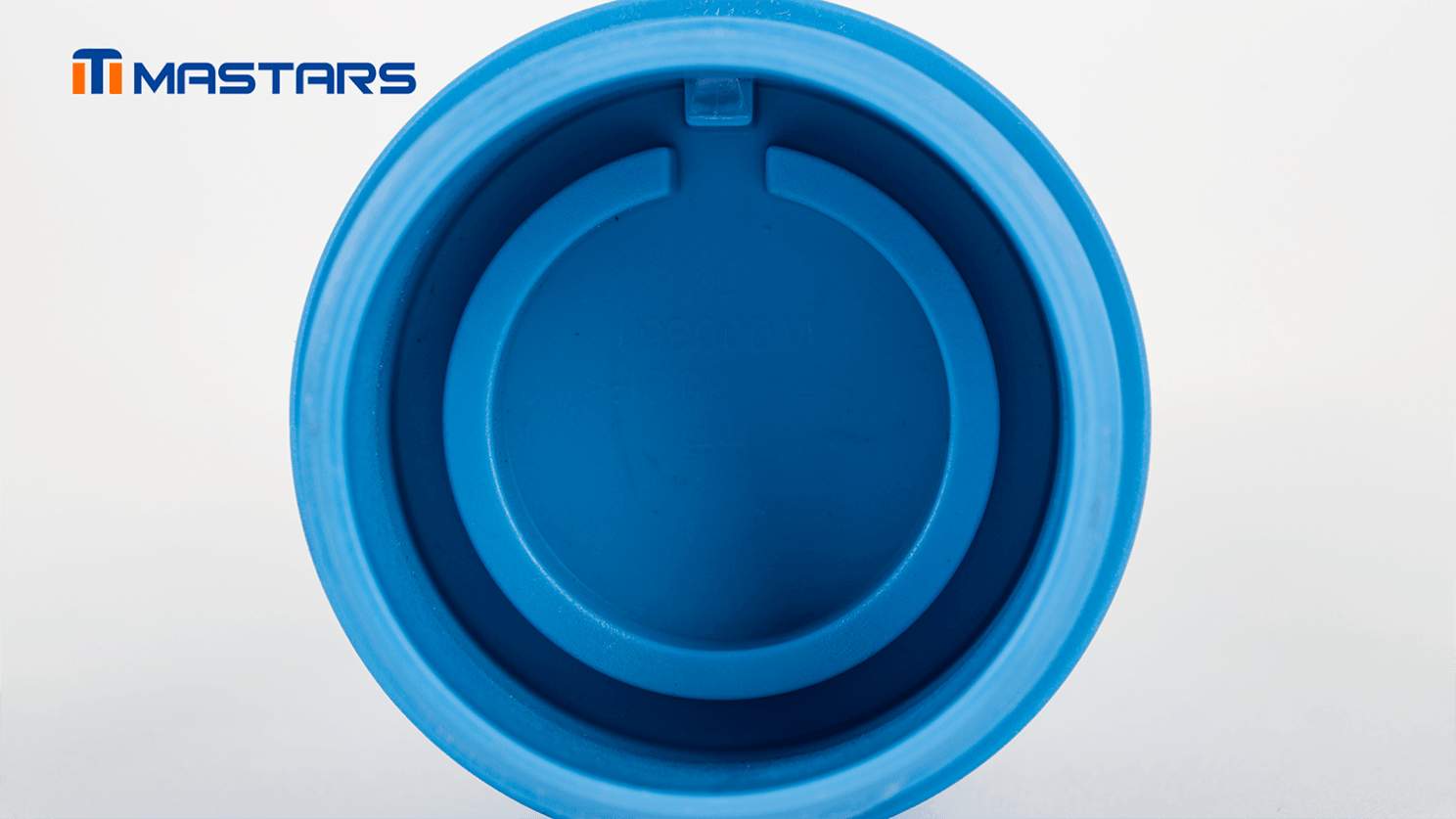
Designed for agricultural spraying equipment, this component integrates multiple functions into one plastic structure, including liquid flow channels, connection interfaces, and structural support features.
Unlike standard plastic parts, agricultural equipment components often operate in demanding outdoor environments. Long-term exposure to chemical liquids, repeated operation, and changing working conditions create higher requirements for material selection, structural design, and manufacturing consistency.
The challenge is not simply producing the part, but selecting the right material and manufacturing process to ensure reliable long-term performance.
Why Material and Manufacturing Decisions Matter
Agricultural equipment components are often required to perform reliably in challenging outdoor environments. Therefore, the manufacturing approach must balance multiple requirements, including chemical resistance, structural strength, lightweight design, and production consistency.
For functional plastic components, material selection directly affects both product performance and injection molding feasibility. The right material solution needs to balance strength requirements, weight control, and processing characteristics.
At the same time, mold design and injection molding processes must work together to ensure functional features, connection interfaces, and critical fitting areas can be consistently produced and meet final assembly requirements.
PP+30GF Reinforced Material in Injection Molding
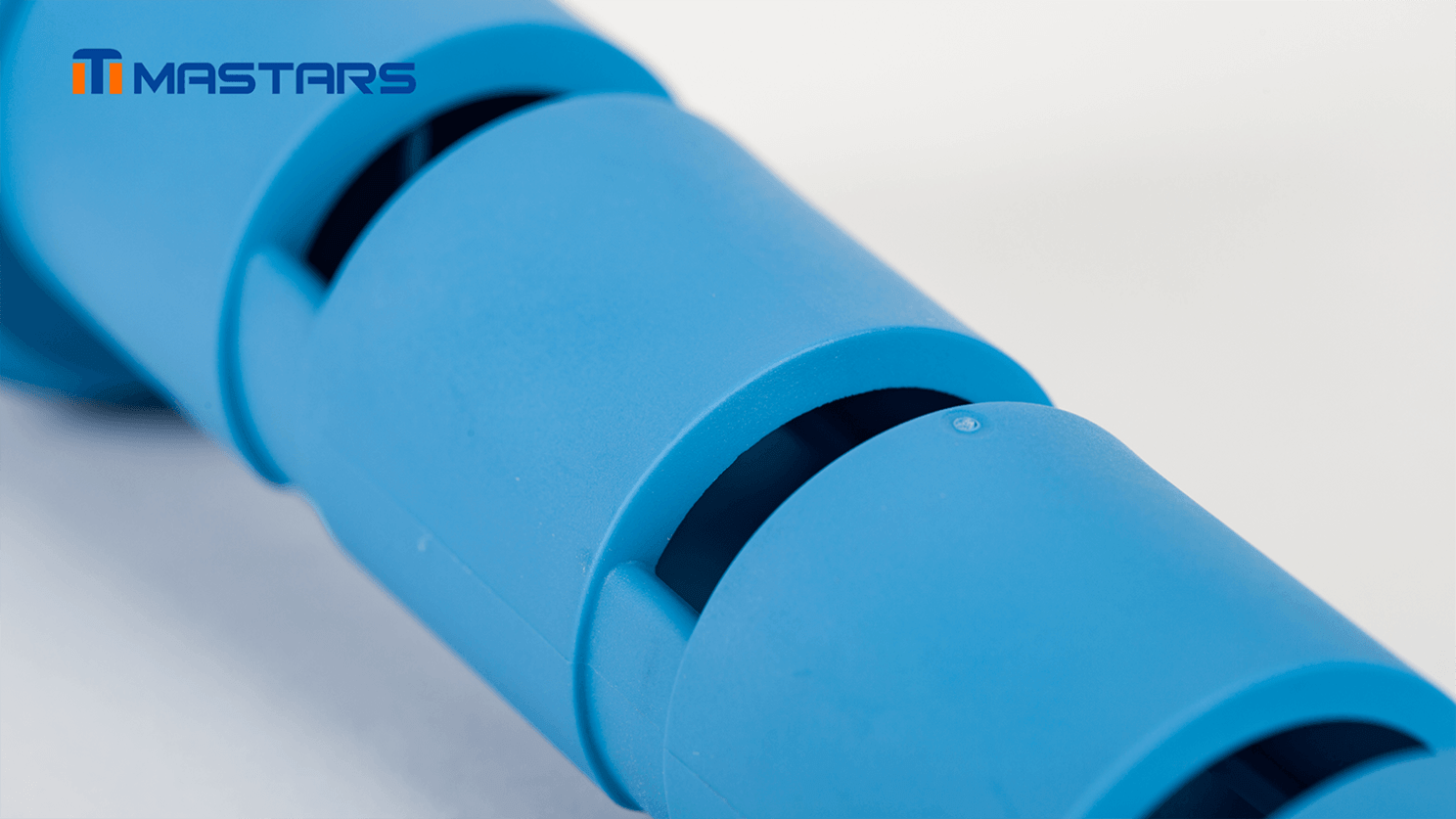
This component uses PP+30GF (30% glass fiber reinforced polypropylene) as the material solution. Compared with standard PP, glass fiber reinforcement improves the overall performance of the component, making it more suitable for functional agricultural equipment applications.
The reinforced material provides higher structural rigidity, supporting functional areas that require greater strength during long-term operation. It also improves dimensional stability, helping reduce material-related variation during injection molding and maintaining consistency during assembly.
Meanwhile, PP+30GF maintains the lightweight advantages of plastic materials while providing better adaptability for agricultural applications, including exposure to chemical liquids and outdoor operating conditions.
For functional plastic components, material selection is not an isolated decision. It needs to be evaluated together with product structure, manufacturing processes, and production goals.
Mastars does not simply recommend one manufacturing method for every project. Instead, we evaluate customer requirements, material characteristics, validation goals, and production stages to identify the most suitable manufacturing route — achieving a balance between functional requirements and production stability.
Building a Connected Manufacturing Route
A reliable injection molded component requires more than injection molding equipment alone. It requires coordination across multiple stages, from early design evaluation to production validation.
Mastars builds a connected manufacturing route throughout the entire process. During the early stage, DFM review helps evaluate product structure, molding feasibility, and potential manufacturing risks. Based on application requirements, material assessment helps identify suitable material solutions for the component.
During manufacturing development, Mastars combines mold design, injection molding parameters, and process control to achieve stable molding performance and consistent part quality. Through inspection and validation, key dimensions, interfaces, and assembly relationships are verified before moving forward.
As the product transitions from validation to production, Mastars provides flexible manufacturing support covering prototype validation, low-volume production, and future manufacturing needs.
By connecting design, material selection, tooling, injection molding, inspection, and production, Mastars helps reduce information gaps between different manufacturing stages and improves overall process control.
What Customers Gain
Through an integrated manufacturing approach, customers can benefit from:
PP+30GF material solution — balancing structural rigidity, dimensional stability, and lightweight requirements for agricultural equipment applications.
A connected manufacturing route across 4 key stages — from DFM review, injection molding development, inspection, to production preparation.
3 functional features integrated into 1 molded component — combining liquid flow channels, connection interfaces, and structural support features within a single part.
Reduced uncertainty before production — validating material suitability and molding feasibility before moving into the next manufacturing stage.
Where the Same Manufacturing Logic Applies
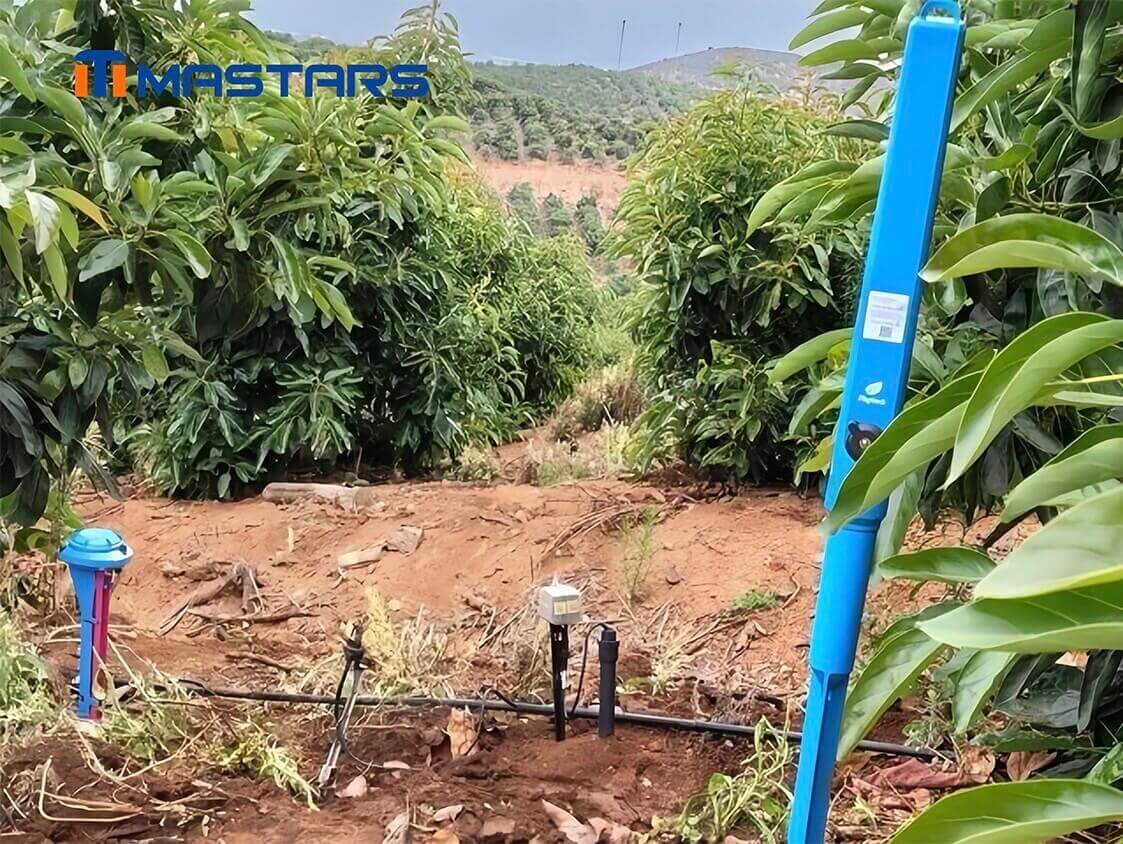
The same engineering approach — selecting suitable materials, optimizing functional structures, and maintaining production consistency — can also support a wide range of functional plastic components.
- Agricultural Equipment — spraying systems, irrigation components, plant protection equipment.
- Industrial Equipment — fluid control components, protective structures, equipment accessories.
- Medical Devices — handheld devices, functional plastic assemblies, equipment housings.
- Consumer Products — outdoor tools, smart devices, and durable plastic components.
When a plastic component needs to balance functionality, reliability, and production stability, early manufacturing decisions become critical.
If you are developing functional plastic components and need support from prototype validation to low-volume production, Mastars can help evaluate the right manufacturing approach for your project. Get a quote!

Mastars, the most trusted one-stop manufacturing services provider for low-volume production worldwide!
Hot Articles
Hot Tags
Stay Connected!


Manufacturing on Demand
Please fill in the following information to obtain plan details (information is confidential and not disclosed publicly), we will contact you within 24 hours, please keep your phone available!
Upload a 3D/2D model to see instant pricing, lead time, and DFM feedback.