



Sourcing CNC Machining Services in China: Procurement Guide


Sourcing CNC machining services in China offers substantial cost-reduction and scalability opportunities for global hardware development, but it also introduces operational challenges like communication gaps, tight tolerance control, and intellectual property (IP) risks. This guide provides a structured, technical framework for procurement teams and hardware engineers to vet suppliers, verify technical capabilities, and manage cross-border logistics smoothly. By aligning with these industry protocols, engineering teams can securely execute customized China CNC machining projects from early rapid prototyping through to mass production.
How to Vet and Select a Reliable China CNC Machining Manufacturer
Distinguishing a true tier-one China CNC machining manufacturer from a middleman or broker requires a standardized evaluation framework.
Establishing a Vetting Protocol
Initial desktop audits should prioritize the collection of verified business licenses, tax registrations, up-to-date equipment lists, and sample Coordinate Measuring Machine (CMM) inspection reports. Follow this with live video walkthroughs to inspect the actual shop floor and evaluate how the team handles real-time technical questions across different time zones.
Brokers vs. Factory-Direct Engineers
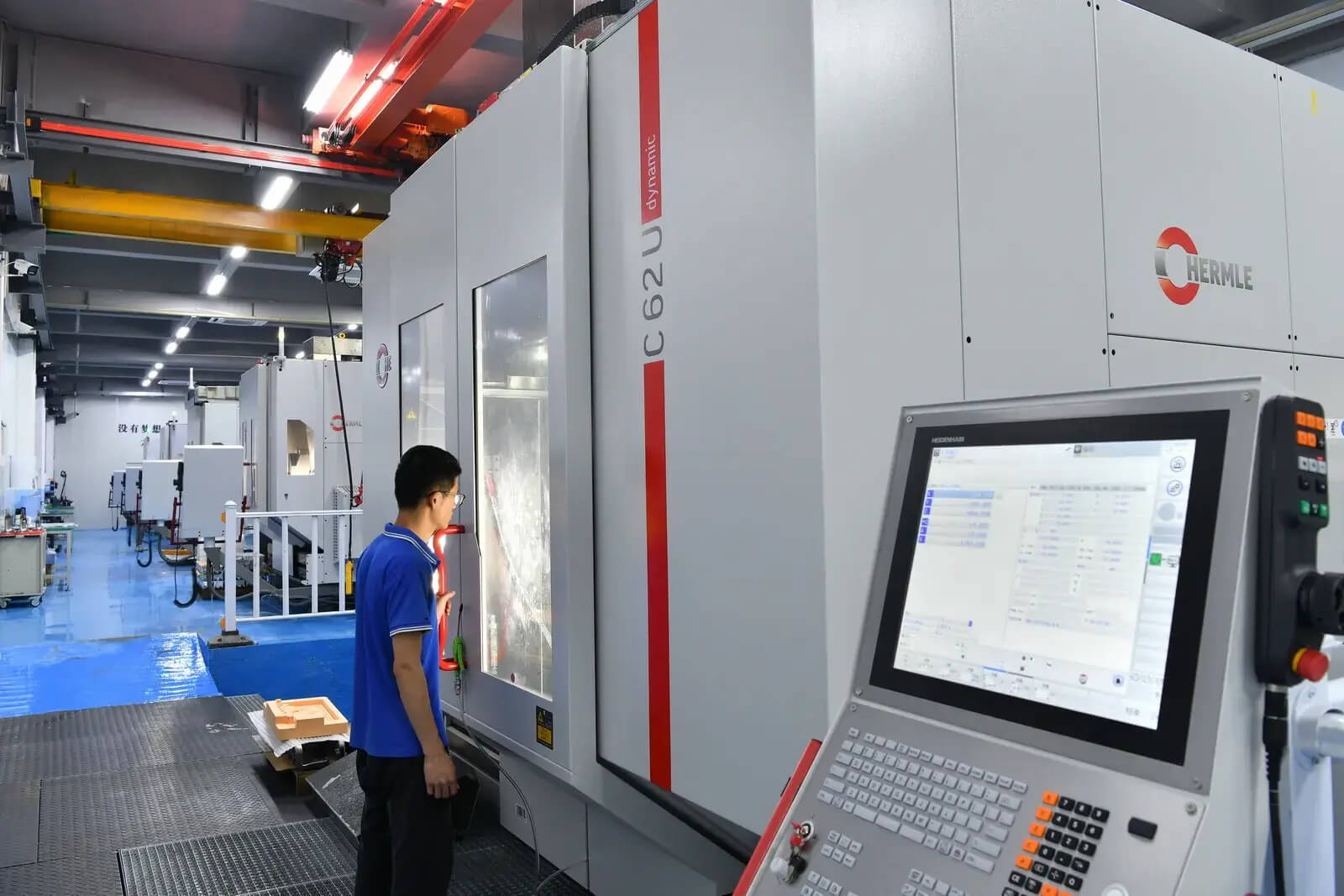
The overseas manufacturing market includes many trading companies operating without internal production assets. A dependable CNC machining China factory must have an established, in-house engineering department rather than just a front-end sales team. Without internal technical alignment, complex design intent often gets lost in translation, resulting in costly New Product Introduction (NPI) failures. To solve this specific communication gap, some major manufacturers like Mastars Industries maintain a dedicated team of over 100 manufacturing engineers to act as a direct technical bridge, ensuring complex geometric requirements are fully understood before cutting chips.
Technical Standards: Materials, Tolerances, and Custom CNC Machining Capabilities
A capable custom CNC machining China partner must back up their capabilities with concrete geometric and material processing metrics.
Precision and Equipment Limits
For standard components, qualified shops routinely hold tolerances of ±0.05 mm, while precision fine-machining steps can achieve ±0.01 mm. When projects demand tighter fits, advanced facilities utilizing closed-loop servo control systems and high-end machining centers (such as OKUMA equipment) can consistently hit precision limits down to ±0.005 mm.
Material Category | Typical Alloys | Tensile Strength | Core Production Applications |
Aluminum | 6061, 7075 | 276 MPa / 572 MPa | Consumer electronics, structural brackets, aerospace components. |
Stainless Steel | 304, 316 | ≥515 MPa | Medical instruments, food-grade hardware, marine environments. |
Titanium | TC4 | ≥895 MPa | Orthopedic implants, high-stress lightweight aviation parts. |
Plastics | ABS, POM, PC | Varies | Functional prototypes, structural enclosures, wear-resistant gears. |
In-House Post-Processing
Surface finishes significantly dictate both total lead time and project cost. Standard options include Type II/III anodizing, bead blasting, electroplating, and PVD coating. Sourcing parts where machining and finishing are split between different sub-vendors often introduces tolerance stacking issues. Choosing a CNC machining parts China provider with integrated, closed-loop in-house finishing operations helps ensure that parts remain within specification after post-processing.
Analyzing Quotes, MOQs, and Lead Times for China CNC Machining Parts
Understanding how a factory calculates pricing helps procurement managers optimize costs and identify suspiciously low bids.
Deconstructing the Cost Structure
A transparent quotation for China CNC machining parts breaks down into machine runtime, tooling and fixture amortization, raw material costs, post-processing, quality control documentation, and logistics. Outliers with unusually low pricing often save money by skipping comprehensive CMM inspections or using sub-standard chemical finishes, which ultimately creates high defect rates during assembly.
Evaluating Turnaround and Batch Flexibility
Standard CNC machining services in China maintain distinct operational tracks for rapid prototyping versus production runs. While high Minimum Order Quantities (MOQs) have traditionally been a barrier for hardware startups during NPI, modern agile factories utilize modular fixturing and quick-change setups to support low-to-medium volume production. This operational flexibility removes strict MOQ barriers, allowing companies to transition smoothly from a single functional prototype to runs of several thousand units as demand scales.
Managing Quality Control, IP Protection, and Front-End Engineering
Securing a cross-border supply chain requires equal focus on physical part quality and digital asset security.
Quality Systems and IP Security
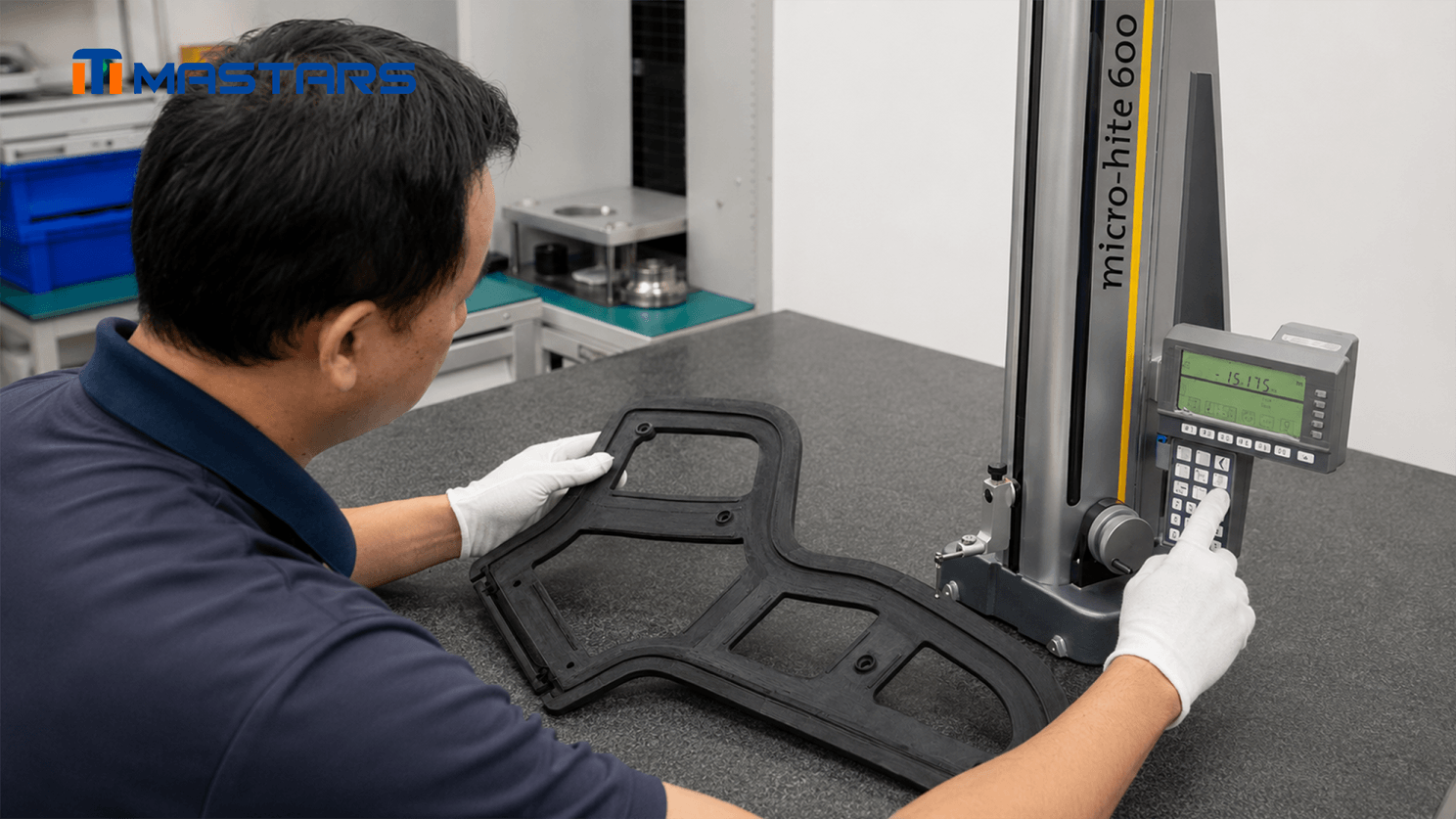
A reliable quality framework requires Incoming Quality Control (IQC) for raw stock, First Article Inspection (FAI), and final CMM metrology reports. Validating facility-level certifications—such as ISO 9001, IATF 16949 for automotive components, or ISO 13485 for medical devices—provides an objective baseline for their quality management system. To protect intellectual property, buyers should enforce comprehensive non-disclosure agreements (NDAs), utilize encrypted data channels for CAD file transfers, and consider segmenting proprietary assemblies across different suppliers.
The Value of Front-End DFM
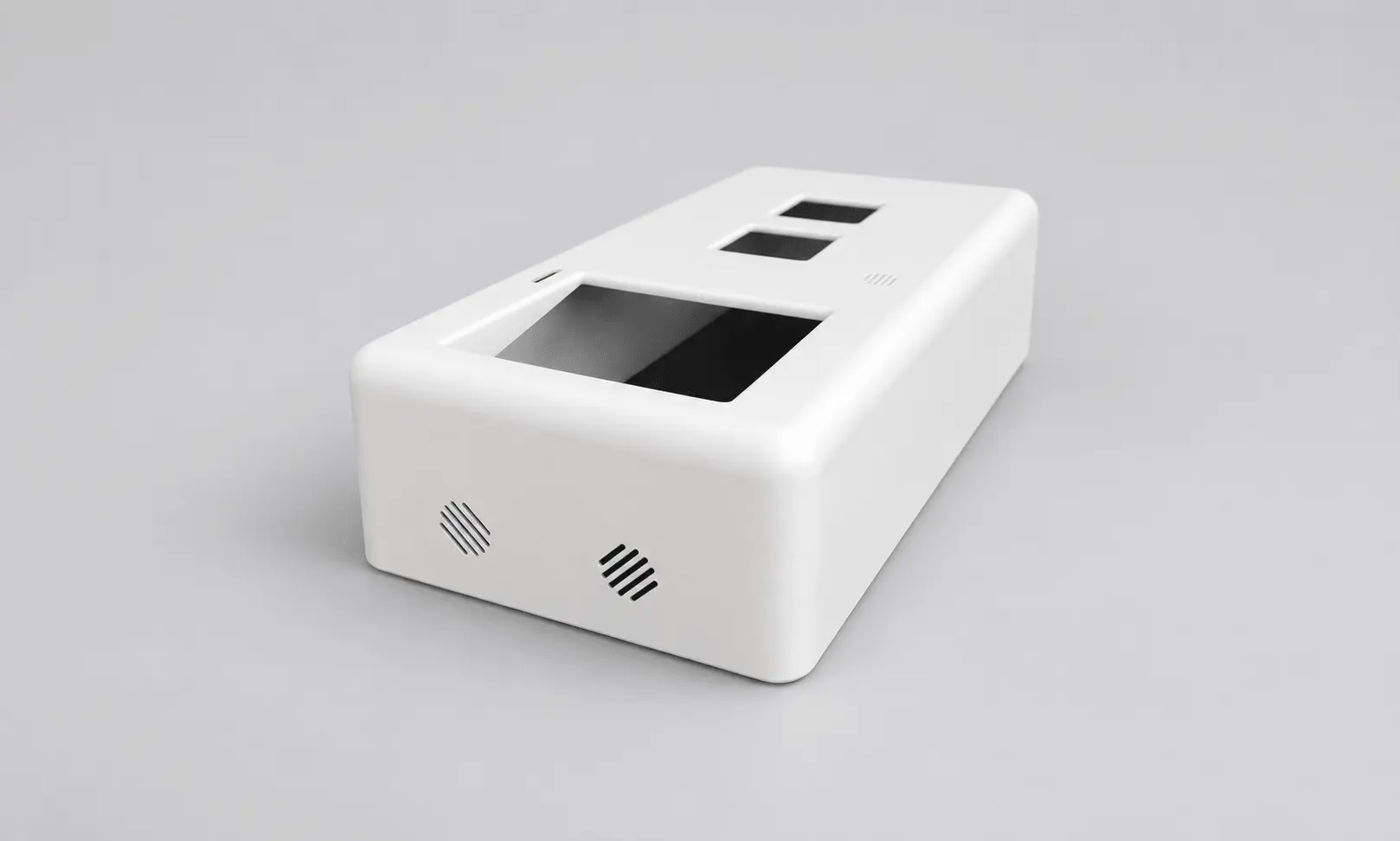
Defect prevention relies heavily on early Design for Manufacturability (DFM) reviews before toolpaths are generated. Experienced engineering teams evaluate deep cavities, thin walls, and thread depths early to avoid production bottlenecks. For example, a detailed look at Front-End Engineering for Complex PC/ABS Trim Substrateshighlights how optimizing part geometry and gate locations before manufacturing directly prevents structural defects and cosmetic issues in complex multi-material components.
Logistics, Customs Clearance, and Supply Chain Resilience
The final phase of sourcing CNC machining in China involves navigating international shipping, duties, and risk management.
Incoterms and Shipping Strategy
Buyers must balance transit times against landed costs by selecting the appropriate freight mode. For urgent prototypes, international express couriers under Delivered Duty Paid (DDP) terms offer the fastest, lowest-friction path through customs. For mass production, ocean freight (FCL/LCL) under Free on Board (FOB) terms provides the best cost efficiency. Ensuring accurate Harmonized Tariff Schedule (HTS) codes is critical to avoiding customs hold-ups and unexpected tariff assessments.
Mitigating Supply Chain Disruptions
To build supply chain resilience against geopolitical or logistical shifts, procurement teams should establish clear payment milestones (such as 30% down / 70% upon quality sign-off) and arrange third-party pre-shipment inspections. Additionally, working with manufacturers that maintain established sea-air expedited shipping lanes helps ensure that critical components can still be delivered globally within days if unforeseen logistical disruptions occur.
Conclusion: Action Plan for Procurement and Engineering Teams
To execute a successful CNC machining service China sourcing strategy:
l Prioritize factories with verified ISO/IATF quality certifications and a substantial in-house engineering presence.
l Insist on itemized quotes that explicitly factor in quality control steps and specific post-processing methods.
l Leverage suppliers with flexible tooling setups to bypass rigid MOQ requirements during early-stage scaling.
l Run exhaustive DFM reviews to catch potential machining and assembly issues before production begins.
For teams looking to streamline this process, Mastars provides transparent DFM analysis and technical feedback directly through our engineering division. With a focus on flexible, low-to-medium volume manufacturing and zero strict MOQ barriers, we help hardware teams transition cleanly from prototype validation straight into production. Upload your CAD files to Mastars today. Let's accelerate your NPI.
Technical FAQ
Q: What tolerances can Chinese CNC shops reliably achieve for common materials like aluminum and stainless steel?
A: Advanced CNC machining China facilities generally achieve standard tolerances of ±0.05 mm, and can reach up to ±0.01 mm for precision parts depending on the specific geometry and material.
Q: How long should I expect prototyping versus mass production lead times when sourcing CNC parts from China?
A: Prototyping typically takes a few days to a week, whereas mass production lead times range from two to four weeks, heavily influenced by post-processing requirements and raw material availability.
Q: Which certifications and audit items should I prioritize when vetting a CNC supplier for US industrial standards?
A: Priority should be given to ISO 9001 for general quality management, IATF 16949 for automotive standards, and ISO 13485 for medical device compliance, alongside verifiable in-house engineering teams.
Q: How are machining quotes from China usually broken down, and why might a quote be suspiciously low?
A: Quotes are broken down into machine time, fixture amortization, materials, surface finishes, quality inspection, and shipping. Suspiciously low quotes frequently omit critical CMM quality inspections or utilize inferior post-processing methods.
Q: What shipping options and incoterms should I choose to minimize risk and total landed cost when importing to the US?
A: For expedited prototyping, international air couriers under DDP terms minimize transit times and customs friction. For mass production, ocean freight (FCL/LCL) under FOB terms provides optimal cost-efficiency.
Q: What practical steps can I take to protect intellectual property and secure CAD files when working with Chinese manufacturers?
A: Establish a comprehensive NDA, utilize encrypted file transfer platforms, and implement segmented sampling by distributing components of a core assembly across different trusted suppliers.
Hot Articles
Hot Tags
Stay Connected!


Manufacturing on Demand
Please fill in the following information to obtain plan details (information is confidential and not disclosed publicly), we will contact you within 24 hours, please keep your phone available!
Upload a 3D/2D model to see instant pricing, lead time, and DFM feedback.