



Front-End Engineering For PC+ABS Trim Substrates


When Trim Substrates Enter Physical Validation
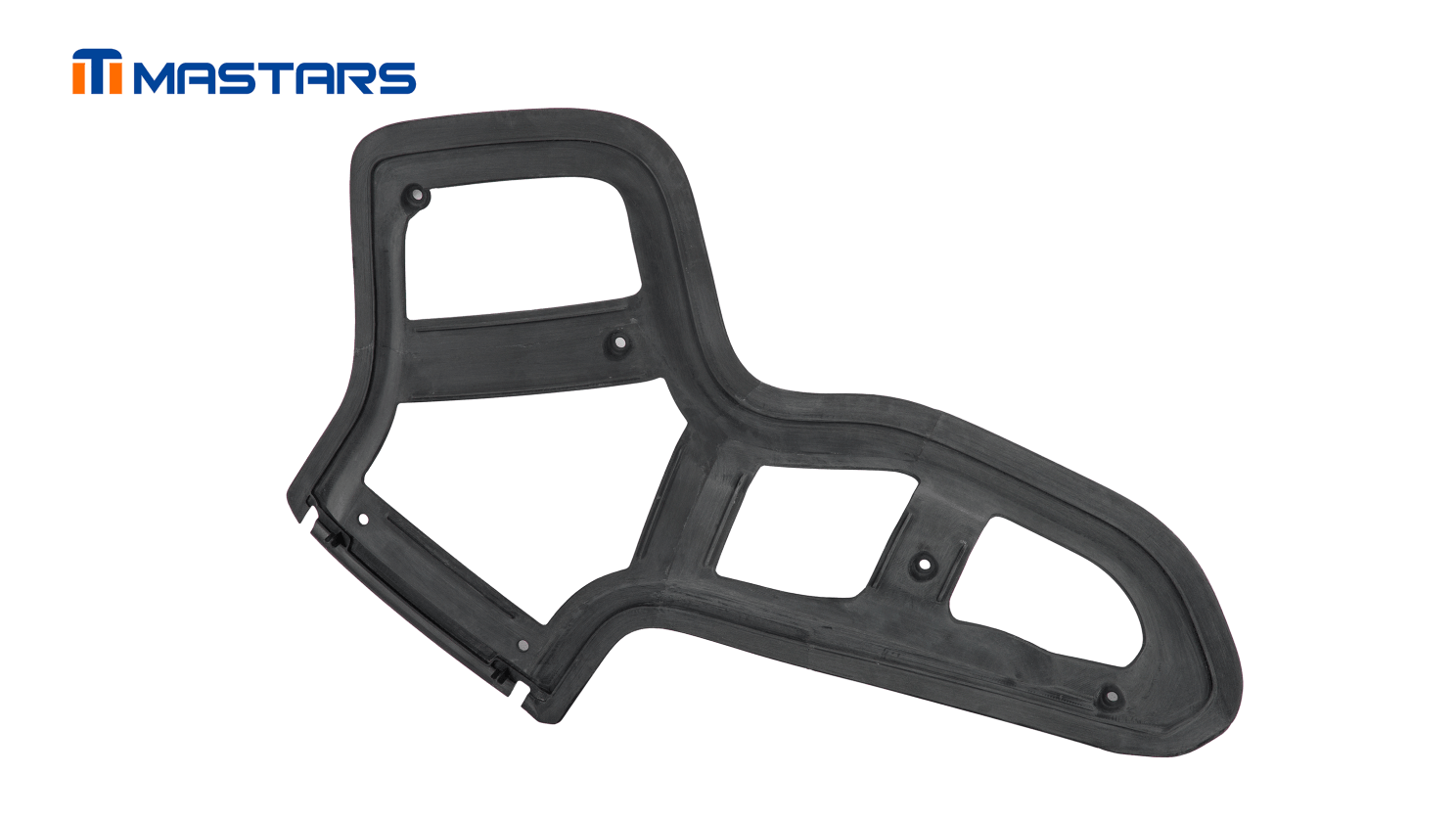
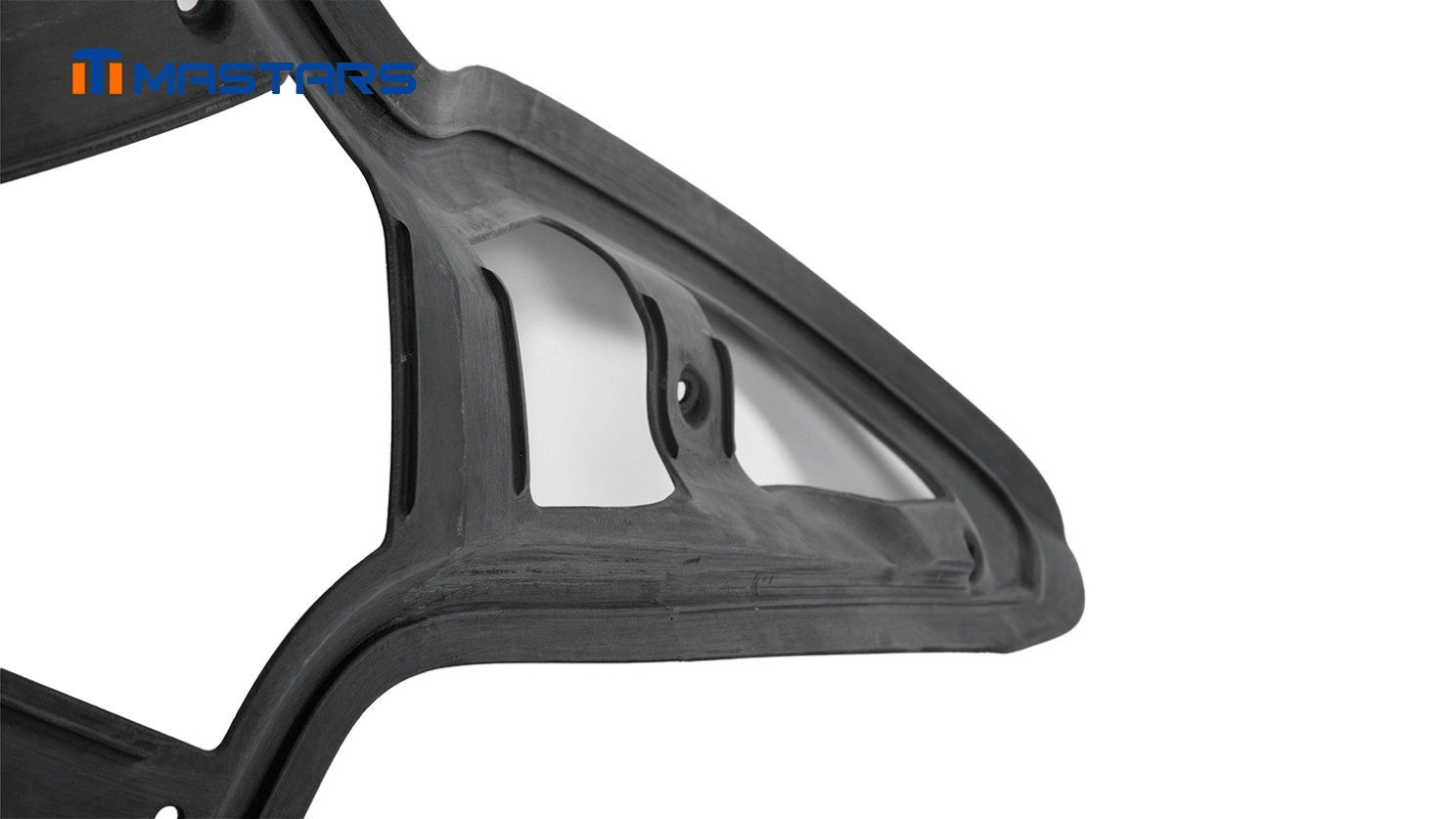
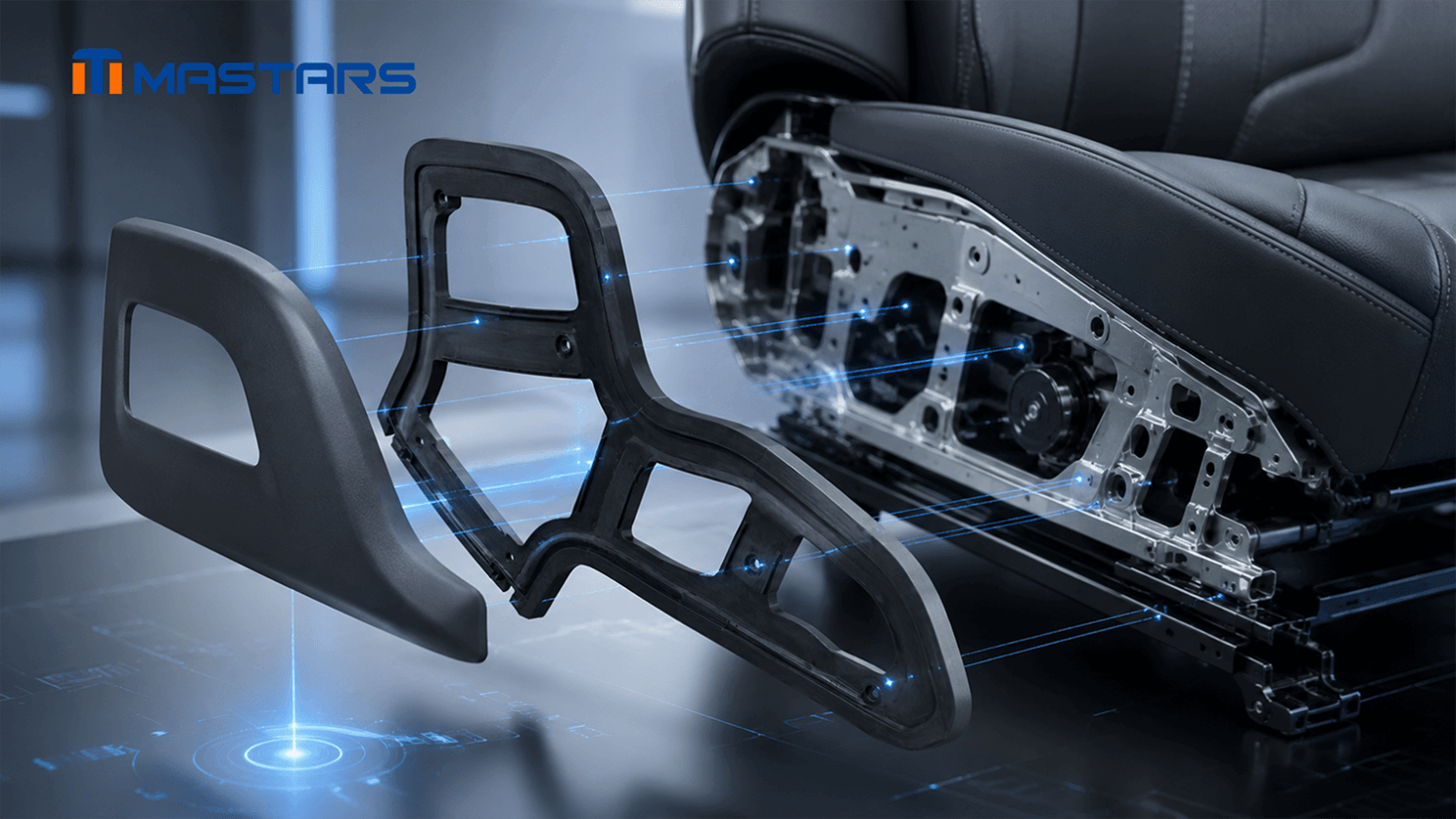
This product is a CNC-machined PC+ABS seat trim substrate. It can also be understood as an interior trim carrier behind the seat trim surface. It is not the final decorative surface itself, but a support part used to carry, fix, and validate the assembly relationship. For an industrial design company, the shape on screen is only the first step. Once the design enters physical validation, holes, screw bosses, openings, ribs, and edge transitions all affect the next assembly and tooling decisions.
If front-end engineering support is not involved early enough, the review cannot stop at appearance. Fixing-point layout, local rigidity, opening-edge reinforcement, and whether the CNC-machined PC+ABS part can reflect the intended assembly conditions all need to be confirmed at the substrate stage. Without these checks, structural revisions may continue into design review or tooling planning, delaying the next project stage.
Engineering Review Before CNC Cutting
For a PC+ABS trim substrate, CNC machining is not only about cutting the shape out of plastic. The part has an irregular frame, large hollow areas, local ribs, and multiple fixing features, so fixture planning and key feature control directly affect whether the physical part can reflect the real design intent.
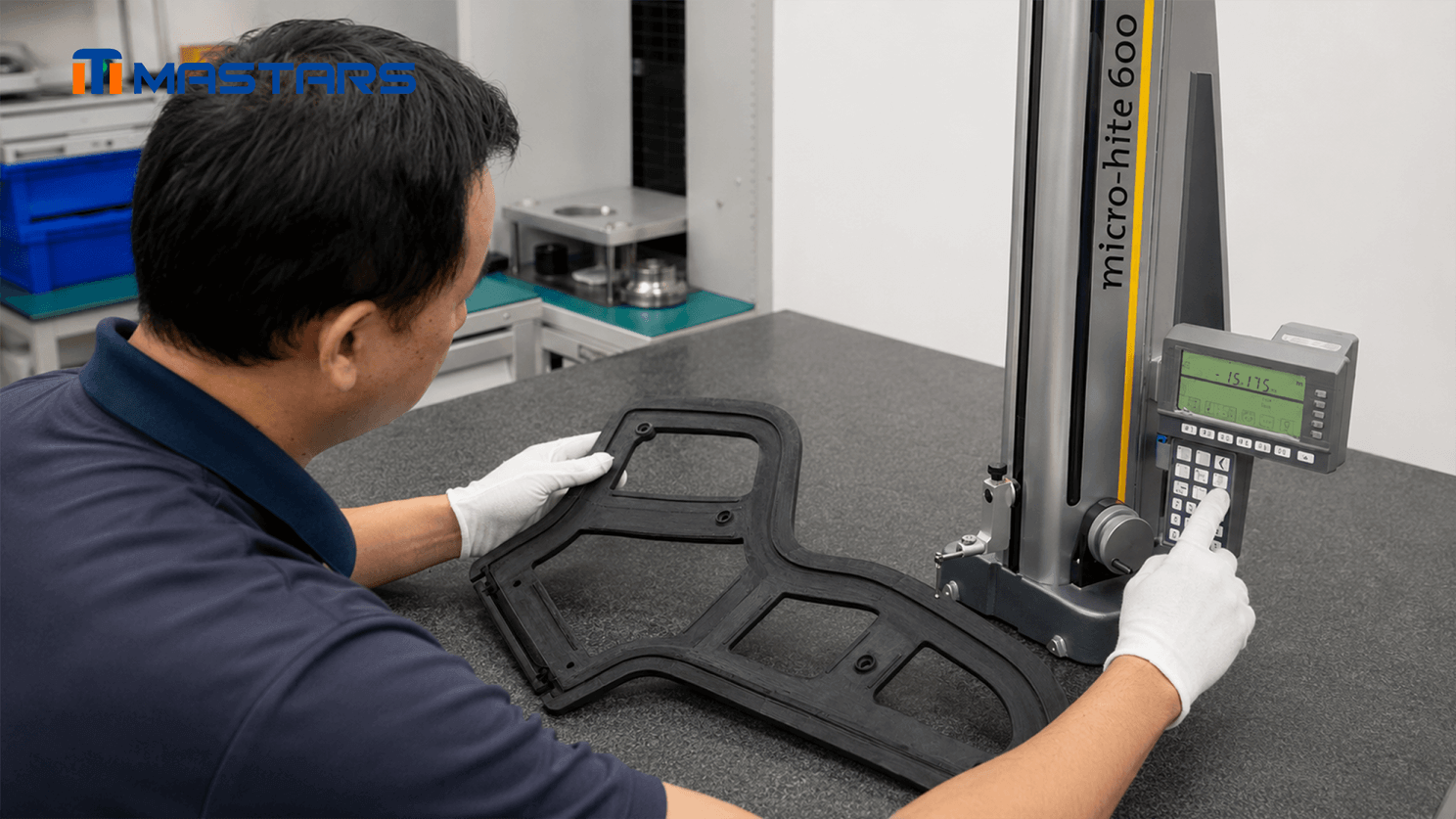
Mastars embeds front-end engineering before CNC machining starts. We connect DFM review, material and process confirmation, machining fixture setup, critical feature control points, and traceable inspection feedback, helping customers see structural risks earlier and move into the next stage with more confidence.
What Clients Gain In Delivery
Mastars helps clients turn a concept into a CNC-machined PC+ABS trim substrate for assembly review and early tooling risk control.
For this type of project, the value becomes clear in four delivery areas:
Key holes, screw bosses, and fixing points are checked to be within ±0.10–0.20 mm to identify assembly risks earlier.
Openings, ribs, and wall transitions go through 100% visual and dimensional inspection.
PC+ABS density is around 1.10–1.20 g/cm³, supporting lightweight validation for interior trim substrates.
Four key structures — holes, screw bosses, ribs, and opening edges — are recorded for clearer tooling planning.
From Seat Trim To Wider Applications
This requirement is not limited to a one-seat trim program. When a product combines visual design, structural support, assembly holes, and material behavior, early engineering support is important before the design is finalized. The same control logic can help design teams reduce hidden risks before tooling decisions are made.
Similar engineering requirements often appear in these areas:
- Automotive interiors — seat trim substrate frames
- Industrial design — functional appearance prototypes
- Medical equipment — plastic housing support carriers
- Consumer products — ergonomic support structures
- Smart equipment — display panel mounting frames
If your project also includes irregular plastic frames, ribs, screw bosses, fixing holes, or CNC-machined validation parts, an earlier engineering review can make the next decision more reliable. Which feature in your design needs engineering confirmation before the next stage? Share your drawings or project requirements with Mastars, and our team can support the review from the front end.
 Mastars, the most trusted one-stop manufacturing services provider for low-volume production worldwide!
Hot Articles
Hot Tags
Stay Connected!


Manufacturing on Demand
Please fill in the following information to obtain plan details (information is confidential and not disclosed publicly), we will contact you within 24 hours, please keep your phone available!
Upload a 3D/2D model to see instant pricing, lead time, and DFM feedback.