Semi-Solid Die Casting-Services

Overall

Semi-Solid Die Casting

Less Porosity, More Performance.

Get Instant Quote
View Materials
Certifications:
ISO 9001:2015
ISO 13485:2016
IATF 16949:2016

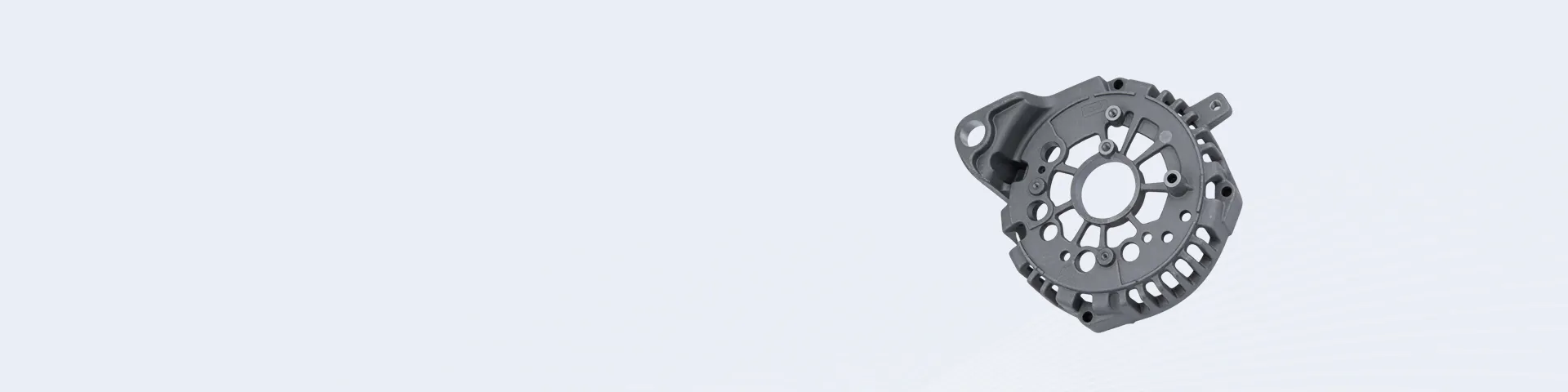
Semi-solid die casting is an advanced metal forming process that integrates the advantages of solid forging and liquid casting, delivering components with superior structural integrity and dimensional precision. It is particularly suited for non-ferrous metals such as aluminum, magnesium, and copper, and is widely used in the production of high‑performance small and medium‑sized parts across automotive, electronics, and industrial applications.

Unlike traditional die casting, which uses fully molten metal, semi‑solid die casting injects metal in a semi‑solid, slurry‑like state—part solid, part liquid. This unique state reduces turbulence, minimizes porosity, and improves mechanical properties, making it ideal for components requiring high strength, tight tolerances, and consistent quality in medium‑volume production.

Get A Quote

Types of Semi Solid Die Casting

✔️ Rheocasting

Rheocasting is a semi-solid die casting process that first creates a semi-solid metal slurry, then injects it into the mold cavity. After solidification, the finished casting is ejected. This method is simpler and more cost-effective than thixotropic manufacturing, though its quality control is less precise. It is a practical choice for cost-sensitive semi-solid casting applications.

✔️ Thixocasting

Unlike rheocasting, thixocasting starts with a high-pressure die-cast billet of fine non-dendritic microstructure, which is then reheated into a semi-solid slurry and injected into the mold. Though more complex and costly, it delivers high-quality parts with consistent performance and supports high-volume, continuous production.

✔️ Thixomolding

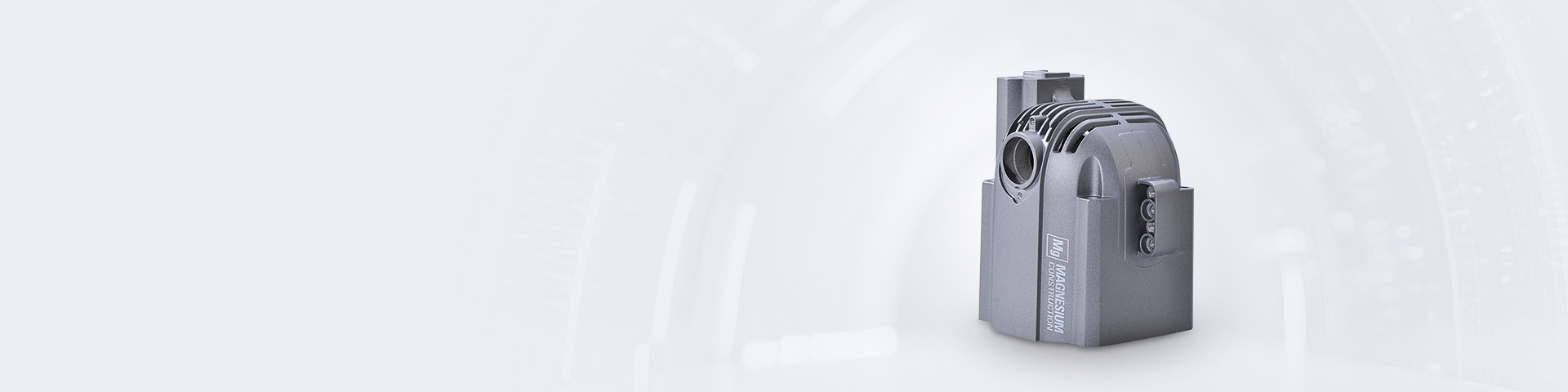
Thixomolding, similar to injection molding, is widely used for magnesium alloy castings. Magnesium alloy chips are fed into a heated cylinder under inert gas to prevent oxidation, then melted into a semi-solid state, sheared into a spherical structure by a rotating screw, and injected into a steel mold. The process uses a dedicated thixotropic injection machine for safer, greener operation. While higher in cost, it greatly reduces defects and boosts part reliability for critical applications.

Material Options

✔️ Aluminum alloys

Widely used for automotive, structural, and heat-dissipating parts

✔️ Magnesium alloys

Lightweight components, often processed via thixomolding

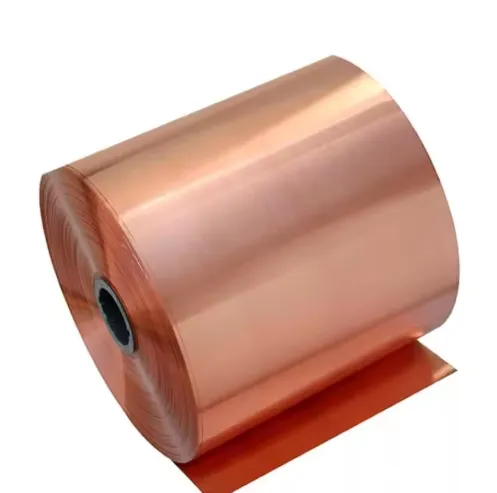
✔️ Copper alloys

High-conductivity / strength applications

These alloys are used in forms like billets, slugs, or chips, depending on the specific semi-solid process.

Applications of Semi-Solid Die Casting

✔️ Automotive

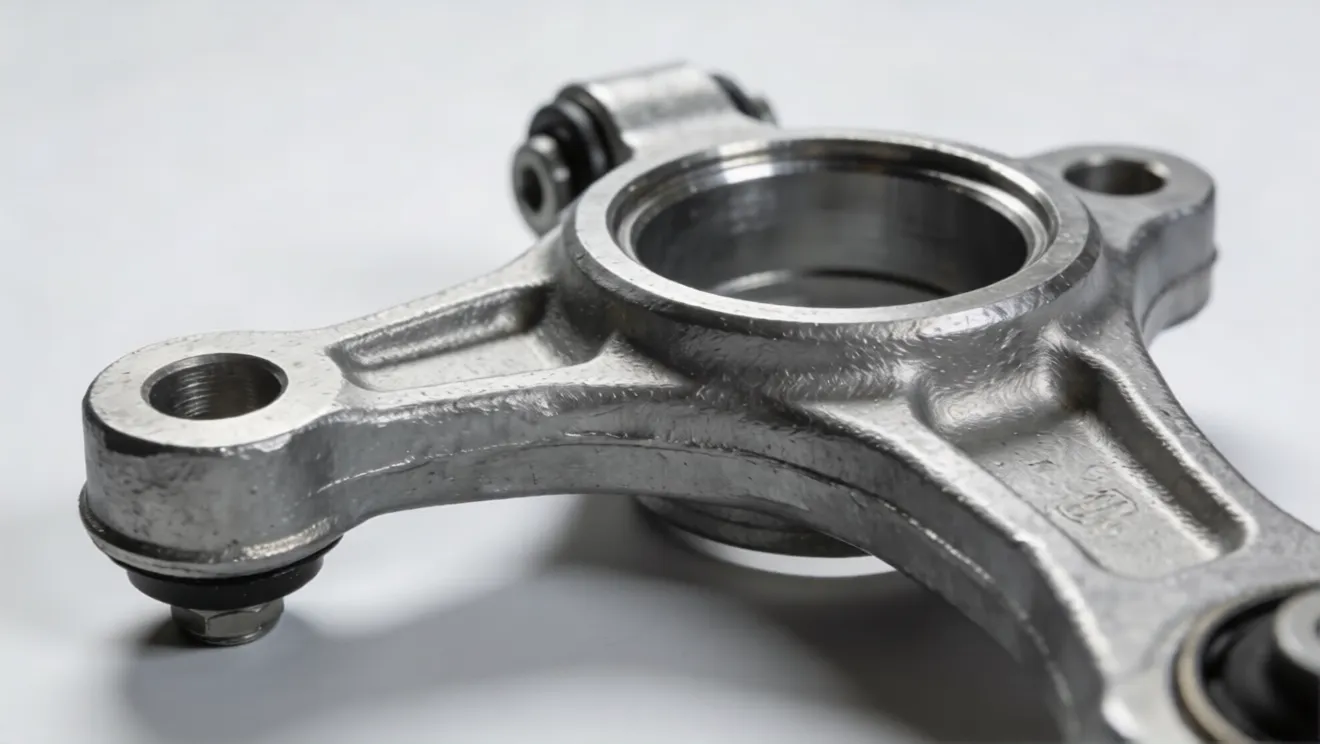
Engine parts, transmission housings, suspension components, chassis parts, and structural components requiring high strength and low porosity.

✔️ Electronics & 5G

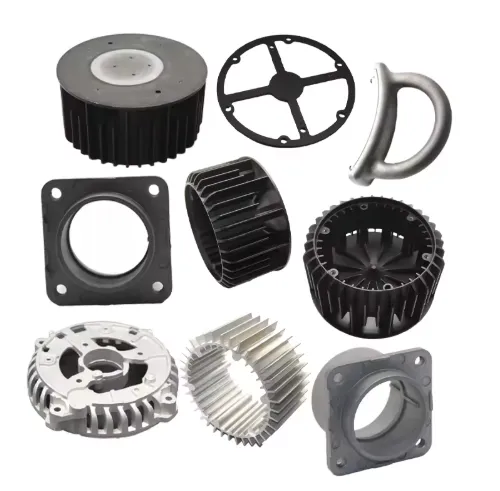
Lightweight, thin‑walled parts like smartphone frames, heat sinks, laptop chassis, and communication equipment housings.

✔️ Aerospace

High‑strength, lightweight structural parts and components needing consistent quality.

✔️ Consumer & Sporting Goods

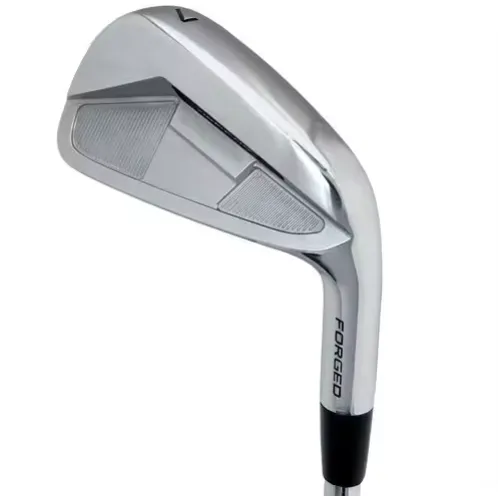
High‑performance parts such as golf club heads, power tool housings, and durable consumer hardware.

✔️ Industrial equipment

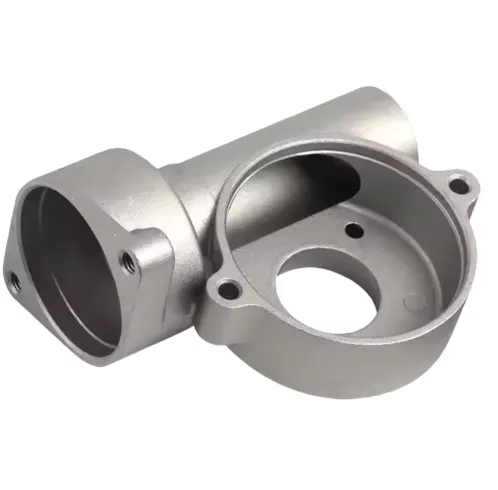
Pump housings, valves, gearbox parts, and hydraulic components requiring reliability and tight tolerances.

Semi-Solid Die Casting VS. General Die Casting

General die casting relies on fully molten metal, while semi-solid die casting uses metal in a semi-solid slurry state. Semi-solid technology is currently applied to alloys like aluminum and magnesium, whereas conventional die casting has broader material compatibility. Moreover, semi-solid die casting delivers higher-quality castings with improved dimensional accuracy, finer surface finish, and enhanced mechanical properties.

Advantages of Semi-Solid Die Casting

✔️ Dimensional Stability: Semi-solid slurry ensures precise mold filling and minimal shrinkage, delivering tight tolerances for high-precision parts.

✔️ Superior Structural Strength: Denser microstructure provides high mechanical strength, load capacity, impact resistance, and durability.

✔️ Excellent Surface Finish: Eliminates porosity, bubbles, and cracks, producing smooth surfaces for appearance-critical components.

✔️ High Production Efficiency: Shorter solidification reduces cycle times, lowers scrap rates, and minimizes post-processing.

✔️ Reduced Waste & Energy Use: Lower operating temperatures cut energy consumption and material waste.

✔️ Thinner Wall Capability: Enables lightweight designs with thinner walls, ideal for weight-sensitive applications.

✔️ Longer Service Life: Enhances rigidity and thermal conductivity, boosting component durability and lifespan.

✔️ Easier Processing: Uniform structure, low shrinkage, and low flow resistance simplify molding and processing.

Limitations of Semi-Solid Die Casting

✔️ Material Restrictions: Limited mainly to aluminum, magnesium, and copper alloys; not suitable for all metals.

✔️ Higher Upfront Costs: Requires specialized equipment, tooling, and process control systems, increasing initial investment.

✔️ Complex Process Control: Demands precise temperature, pressure, and slurry consistency management, needing skilled operators.

✔️ Slower Cycle Times: Compared to high-pressure die casting, filling and solidification are often slower.

✔️ Minimum Wall Thickness: Typically requires thicker walls than some high-pressure die casting processes.

✔️ Equipment & Mold Erosion: Molten/semi-solid metal can erode crucibles, risers, and mold components over time.

✔️ Energy Use: While more efficient than some methods, it uses more energy than simpler processes like gravity casting.

metal die casting

Stay Connected!

Submission

Manufacturing on Demand

Please fill in the following information to obtain plan details (information is confidential and not disclosed publicly), we will contact you within 24 hours, please keep your phone available!

Upload a 3D/2D model to see instant pricing, lead time, and DFM feedback.

I consent to have my email collected in order to process this request - See Privacy Policy
We use cookies to understand how our audience uses our site.text
Mastars Industries Co., Ltd. websites use cookies to deliver and improve the website experience, See our cookie policy for further details on how we use cookies and how to change your cookie settings Cookie policy.
Accept
Reject