Cold Chamber Die Casting
Mastars Cold Chamber: Dense, Defect-Free Castings for Demanding Applications
Get an online quote now.
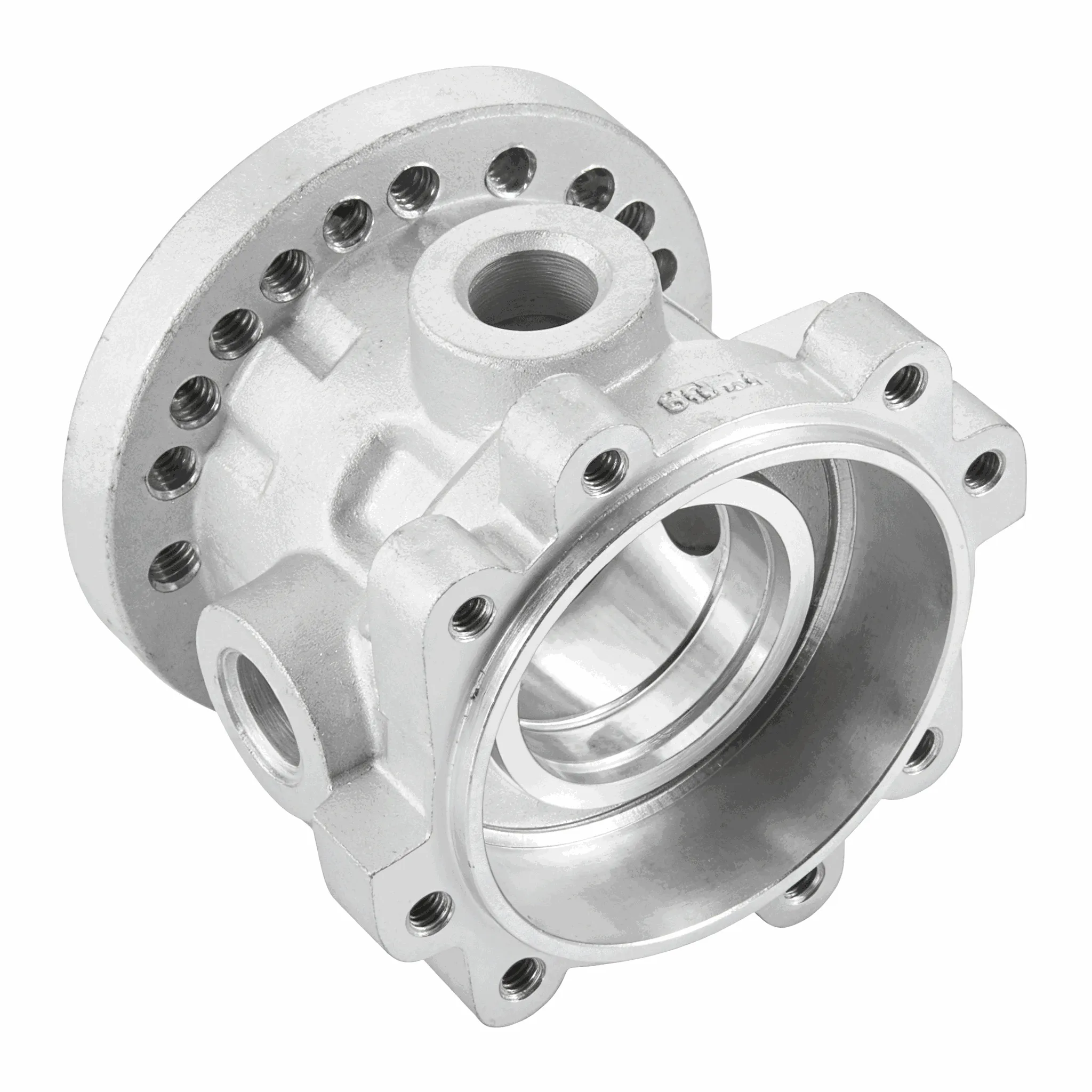
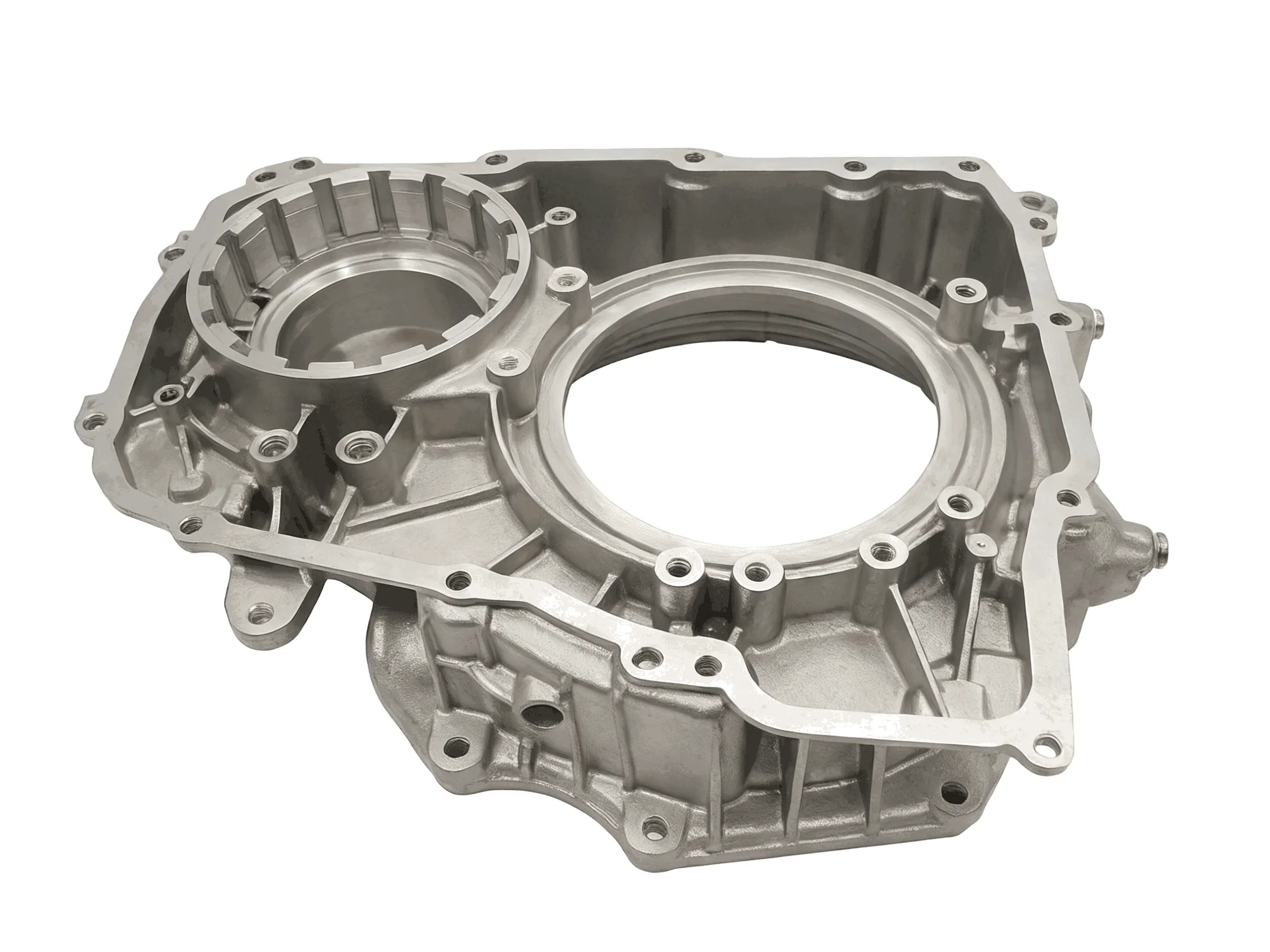
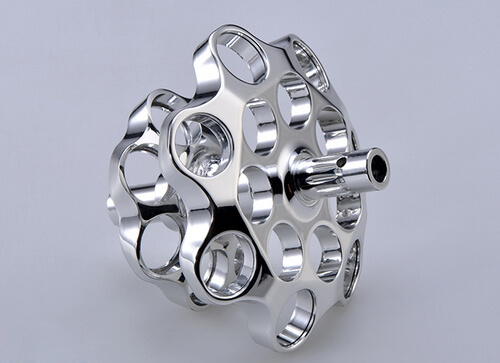
Cold chamber die casting delivers complex, high-precision components better than many other casting methods. It is ideal for high‑melting‑point metals such as aluminum, magnesium, and copper‑base alloys. Molten metal is transferred into a separate chamber and injected into a steel die via hydraulic pressure.
This process produces castings with high strength, good surface finish, and tight dimensional accuracy, making it perfect for high‑volume production in automotive, aerospace, and electronics. It is widely used to manufacture durable, lightweight parts at scale.


Material Options
The primary materials used in Cold Chamber Die Casting are high-melting-point non-ferrous metals and their alloys, with aluminum alloys being the most common, followed by magnesium alloys and copper alloys.
✔️Aluminum Alloys
· Characteristics: Low density, high strength, good corrosion resistance, excellent thermal and electrical conductivity, and suitability for casting complex, thin-walled parts.
· Typical Grades: A380, ADC12, AlSi9Cu3, A360, etc.
✔️Magnesium Alloys
· Characteristics: Extremely low density (about 1/3 lighter than aluminum), high specific strength, good damping capacity, and excellent electromagnetic shielding.
· Typical Grades: AZ91D, AM60B, AE44, etc.
✔️Copper Alloys
· Characteristics: High strength, excellent wear resistance, superior electrical and thermal conductivity, and strong corrosion resistance.
· Typical Grades: C83600 (leaded brass), C95400 (aluminum bronze), etc.
Applications of Cold Chamber Die Casting
✔️ Automotive Industry
· Power Train: Makes engine blocks and transmission cases resistant to high temperatures and stress.
· Body & Chassis: Lightweight parts (e.g., suspension brackets) boost fuel efficiency safely.
✔️Aerospace Industry
· Structural Elements: Lightweight wing/fuselage parts improve flight efficiency.
· Safety-Critical Parts: Precision components (e.g., landing gear accessories) comply with strict standards.
✔️ Electronics Industry
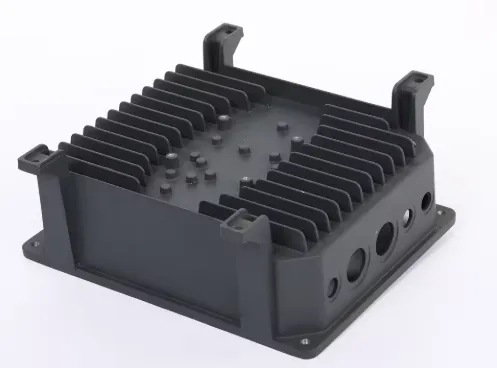
· Thermal Management: Heat sinks for LEDs/power devices prevent overheating.
· Enclosures & Connectors: Sturdy, compact casings shield delicate circuits.
✔️ Industrial Equipment
· Fluid Handling: Corrosion-resistant pumps/valves for harsh industrial environments.
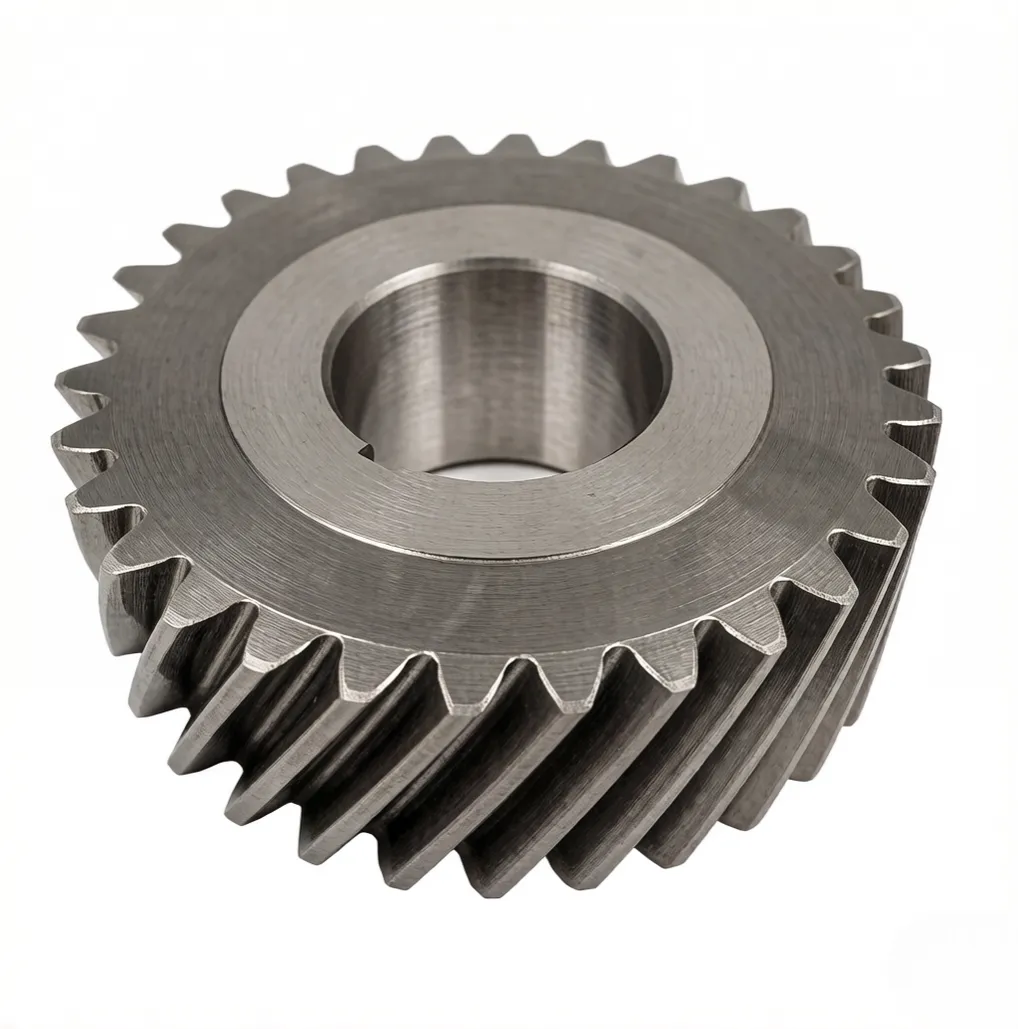
· Mechanical Transmission: Precision gears support smooth machinery operation.
✔️ Consumer Products
· Home & Kitchen: Ergonomic, smooth-finish cookware and furniture hardware.
· Athletic Gear: Sturdy, easy-to-maneuver sports equipment components.


How Cold Chamber Die Casting Works
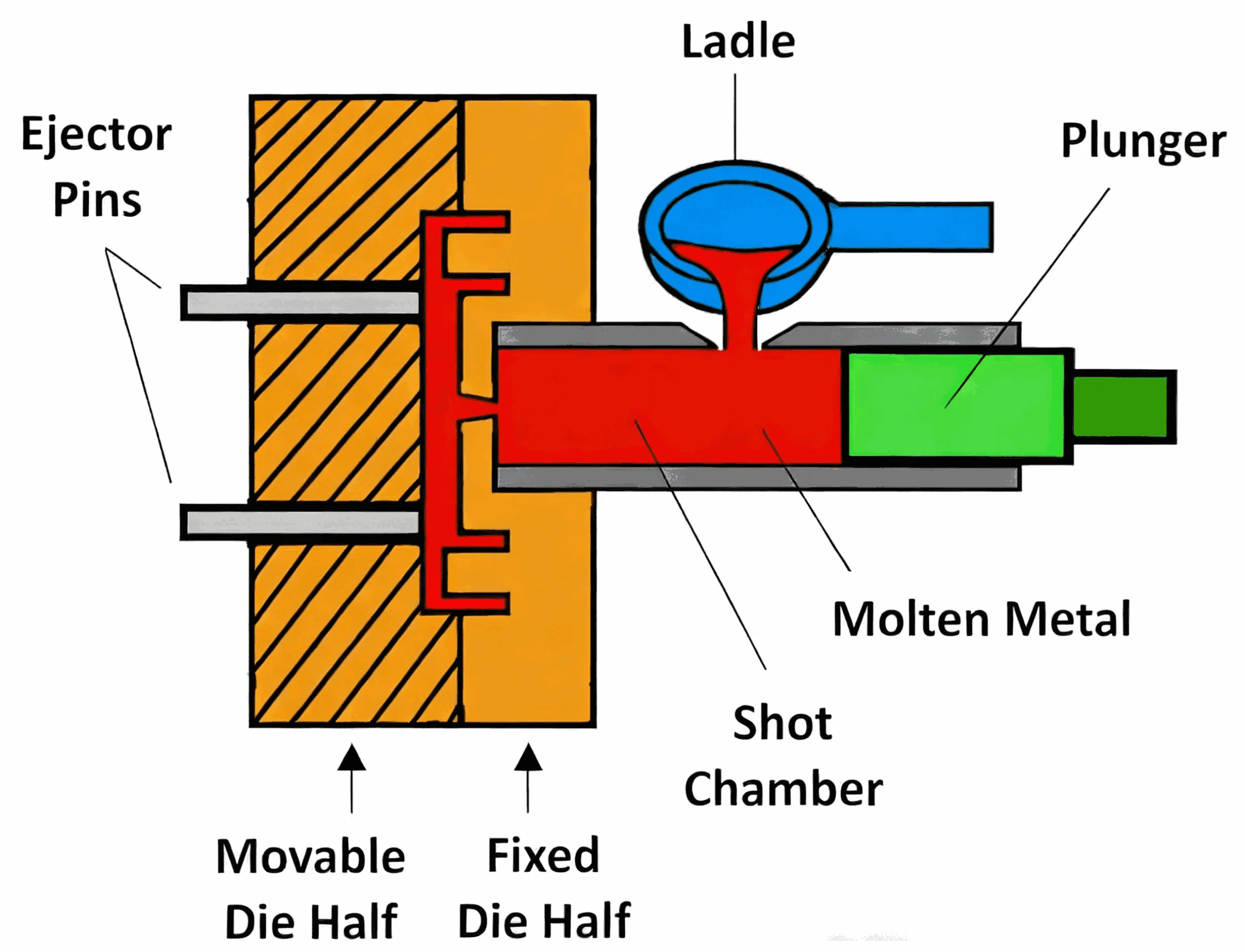
Cold chamber die casting operates by first manufacturing a high-strength steel tooling system (including dies, runners, and gates) tailored to the part’s shape and tolerance requirements, then preparing the die casting machine (equipping hydraulic piston, molten metal chamber, etc., and adjusting parameters like injection pressure and temperature), selecting and melting suitable materials (mostly aluminum, magnesium, copper alloys) in a separate furnace to avoid contamination.
Next, molten metal is poured into the machine’s cold chamber, pressed into the die cavity via hydraulic pressure (with vents releasing trapped gasses), allowed to cool and solidify in the die, and finally subjected to post-processing (trimming, deburring, etc.) and quality control (including non-destructive testing for internal defects) to ensure the produced parts meet specifications.
Our Ideas Have Helped Clients Bring Hundreds Of Products To Market
Advangates of Cold Chamber Die Casting
✔️ High-Melting-Point Metal Compatibility
This fabrication technique enables the handling of metals with high melting points.
✔️ High Precision for Complex Geometries
The process boasts high accuracy, making it ideal for complex geometries with narrow tolerance requirements.
✔️ Cost-Effective for Automated Mass Production
It is economical, especially for applications requiring high automation, as the tooling needs minimal setup time and supports endless cycle repetition.


Disadvantages of Cold Chamber Die Casting
✔️ Longer Cycle Durations
Cycle times are longer compared to hot chamber casting, mainly due to the increased physical handling involved and slower cycle rates.
✔️Higher Operating & Initial Costs
Operating expenses are elevated by steps like external metal melting, and initial investment is higher as high-melting-point metal handling requires more durable equipment.
✔️ Limited Efficiency for Small, High-Volume Items
Efficiency is constrained when producing tiny, high-volume products, largely attributed to the slower cycle rates of the process.
Quick links
Technical video

Manufacturing on Demand
Please fill in the following information to obtain plan details (information is confidential and not disclosed publicly), we will contact you within 24 hours, please keep your phone available!

Upload a 3D/2D model to see instant pricing, lead time, and DFM feedback.