Hot Chamber Die Casting
Precision Hot Chamber Die Casting, Crafting Perfection in Every Cast.
Get an online quote now.
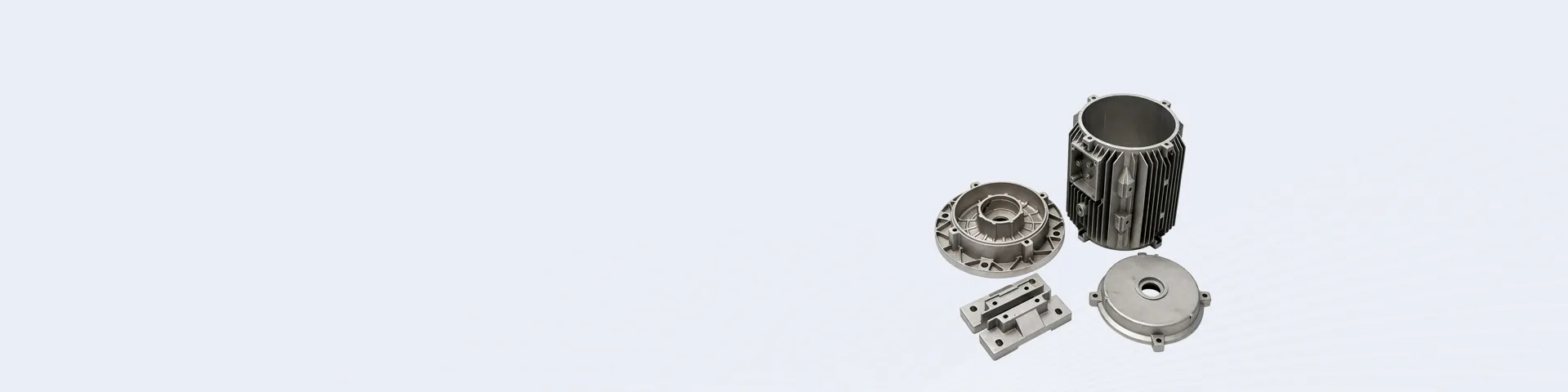
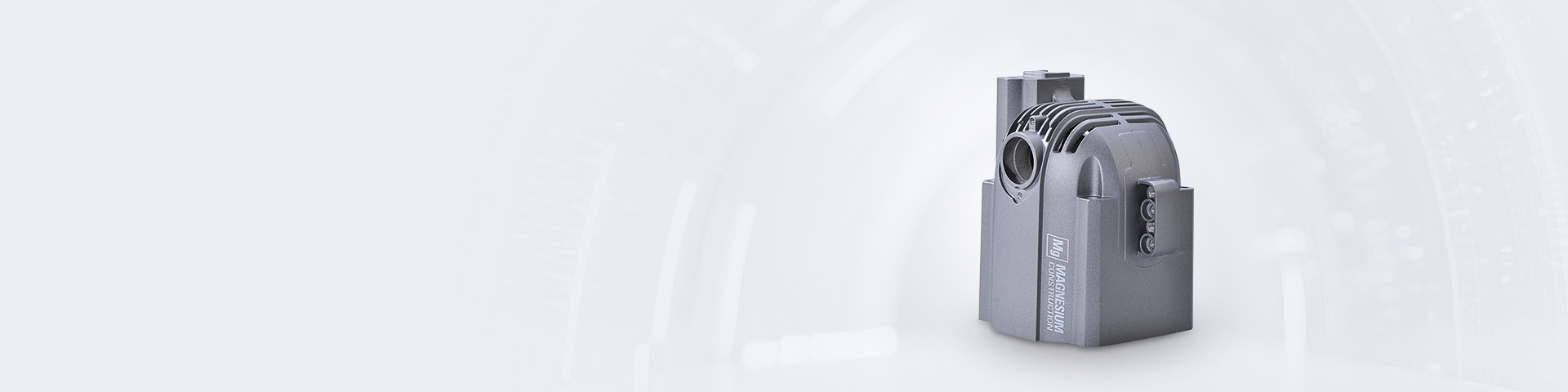
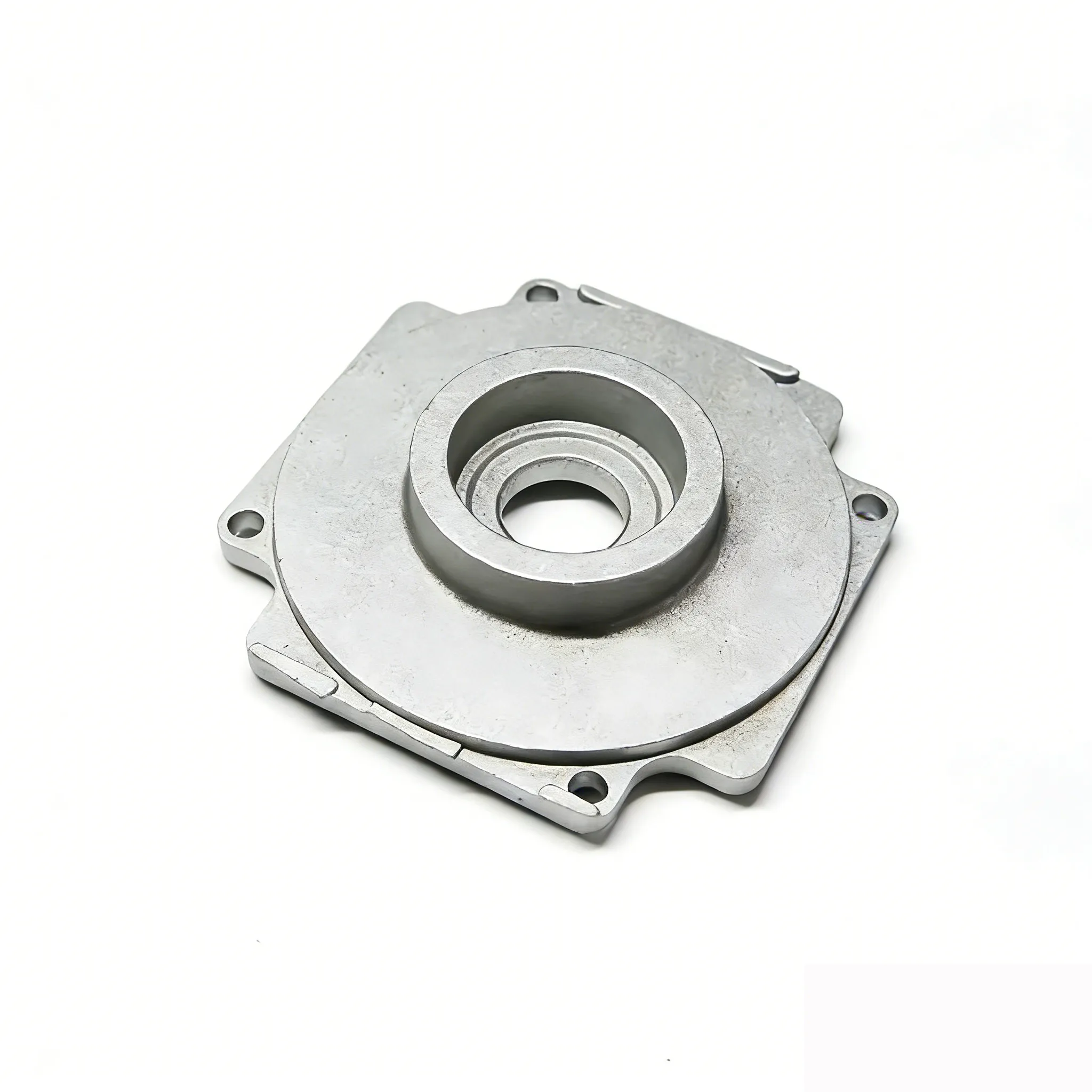
As a specialized production technique, it functions by introducing molten metal into a mold under high-temperature conditions. Ideal for low-melting-point alloys, this method typically utilizes materials such as lead-based alloys, magnesium, and zinc for component manufacturing.
Mastars, a professional integrated manufacturing enterprise with over 20 years of die casting experience, boasts strong core competitiveness in hot chamber die casting business. It has in-depth expertise in both hot and cold chamber die casting processes, with optimized key parameters to avoid common defects; is equipped with high-precision automated production equipment to meet flexible production needs from small batches to mass production; implements strict full-process quality control covering raw materials, production and inspection to ensure product compliance with international standards; and provides one-stop services from tooling design to international shipment, with its products widely applied in automotive, consumer electronics and other industries, serving numerous well-known enterprises globally.

Material Options
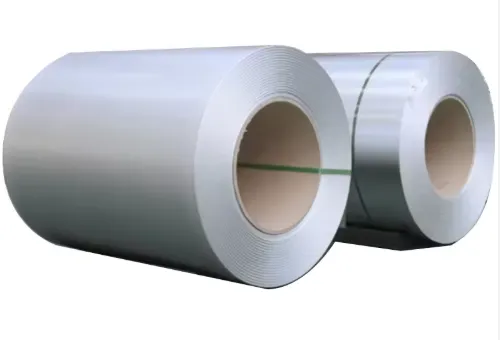
Materials that are utilized in this method are restricted to metal amalgamations that have a low melting point. The most commonly utilized materials are:
✔️ Zinc
✔️ Magnesium
✔️ Lead and Tin Alloys


Applications of Hot Chamber Die Casting
This method of die casting can be utilized to manufacture a wide range of products using varying materials. The applications of this method include:
✔️ Automotive Industry
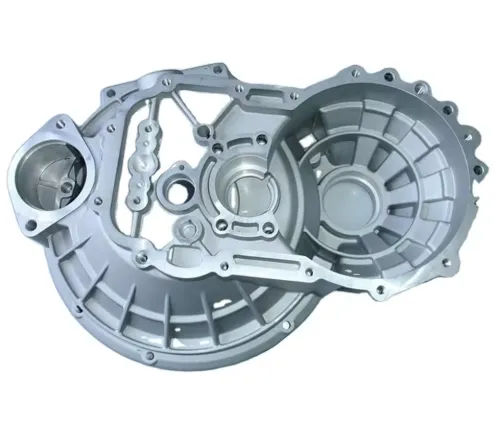
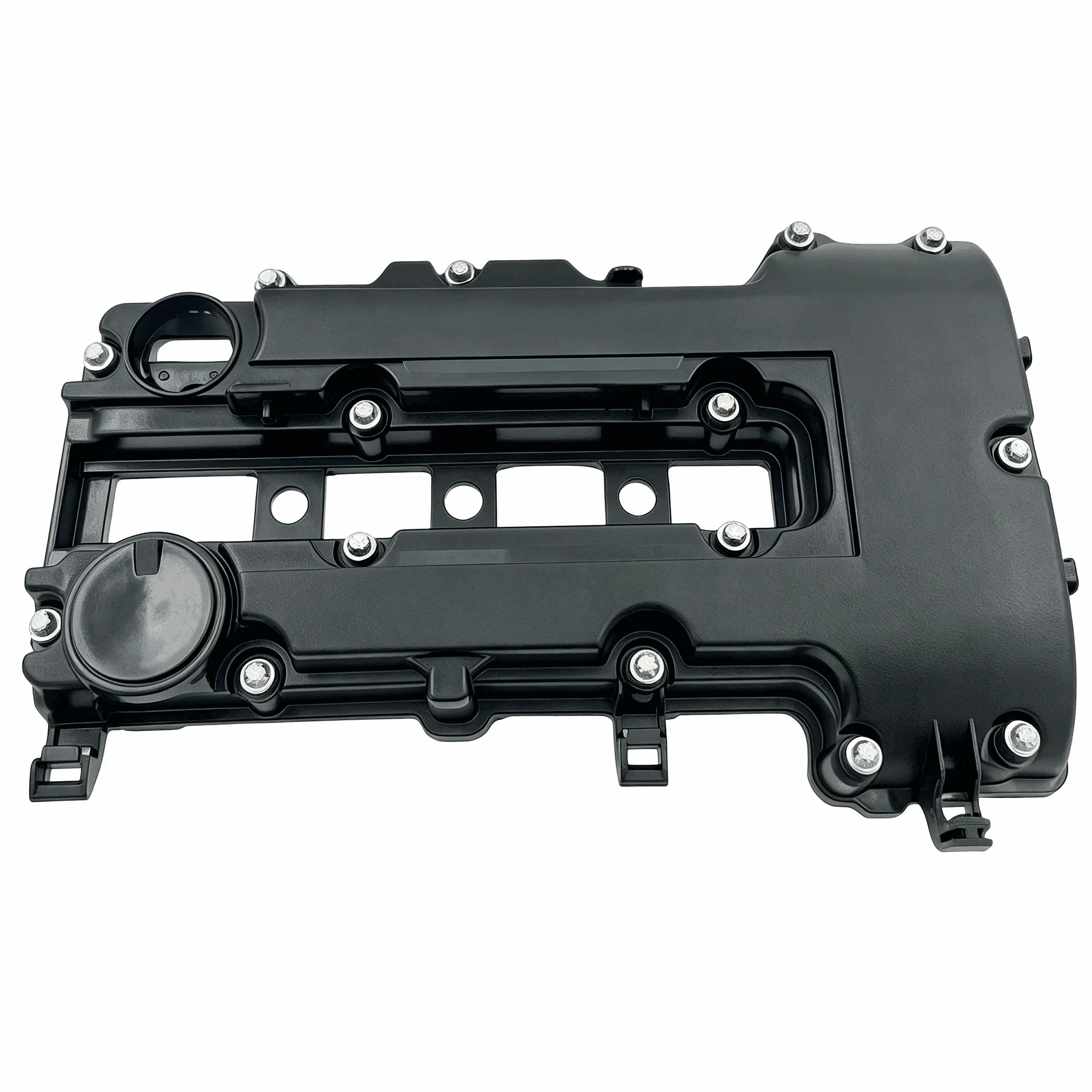
· Engine Components such as cylinder heads and transmission cases
· Body Components: Complex body elements of various auto motives
✔️ Electronics
· Casings and Housings for varying electronic devices.
· Connectors and Gears that vary in size from small to medium-sized.
✔️ Industrial Machinery
· Airborne & Ground Support Equipment: connector bases, control panel components, latches and fasteners
· Connectors and Gears that vary in size from small to medium-sized.
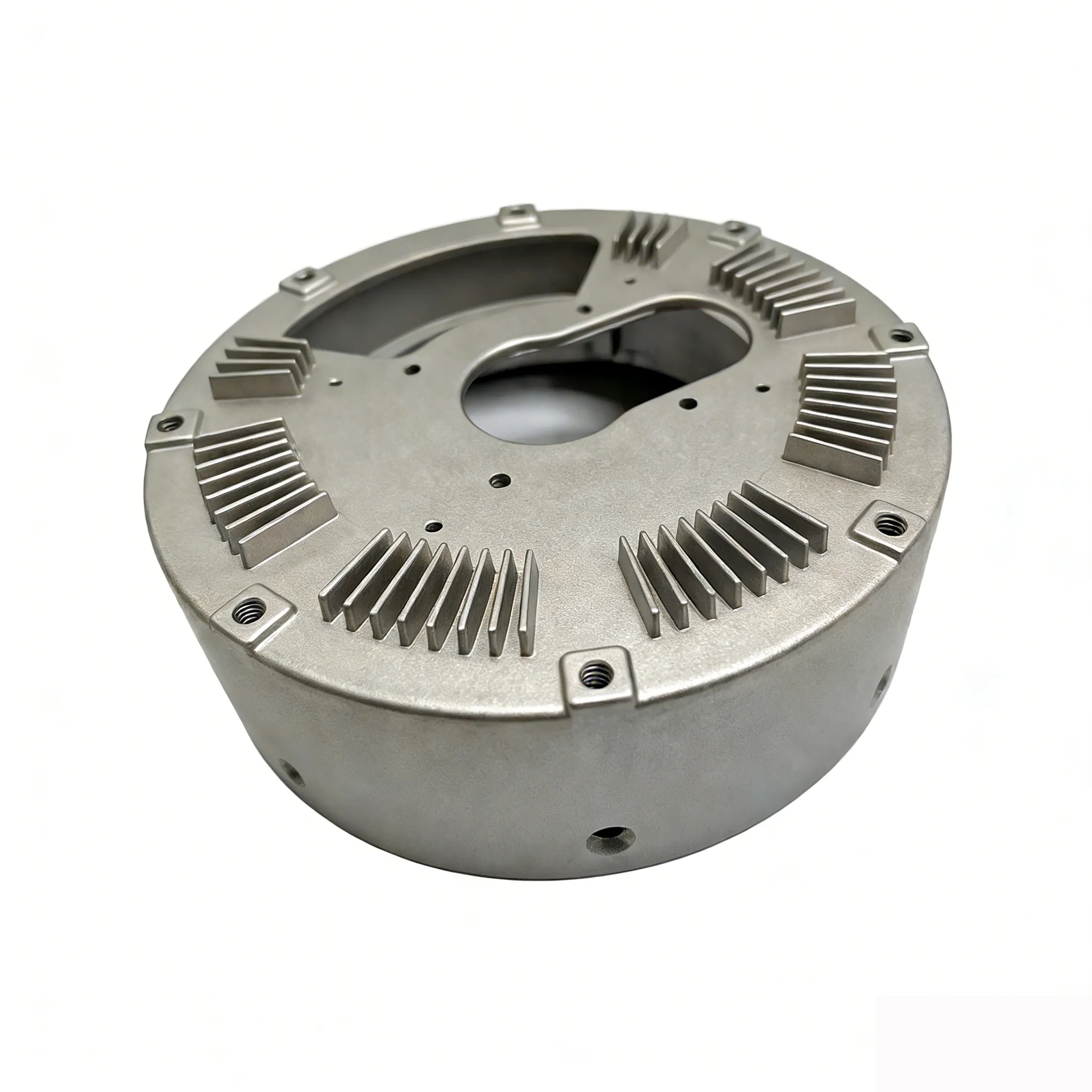
· UAV & Spacecraft Structures such as gimbal brackets, landing gear components, heat dissipation components
✔️ Agriculture
· This method often designs parts such as machine components and pump elements
✔️ Consumer Products
· This method is also prevalent in the production of everyday items such as kitchen appliances and hardware
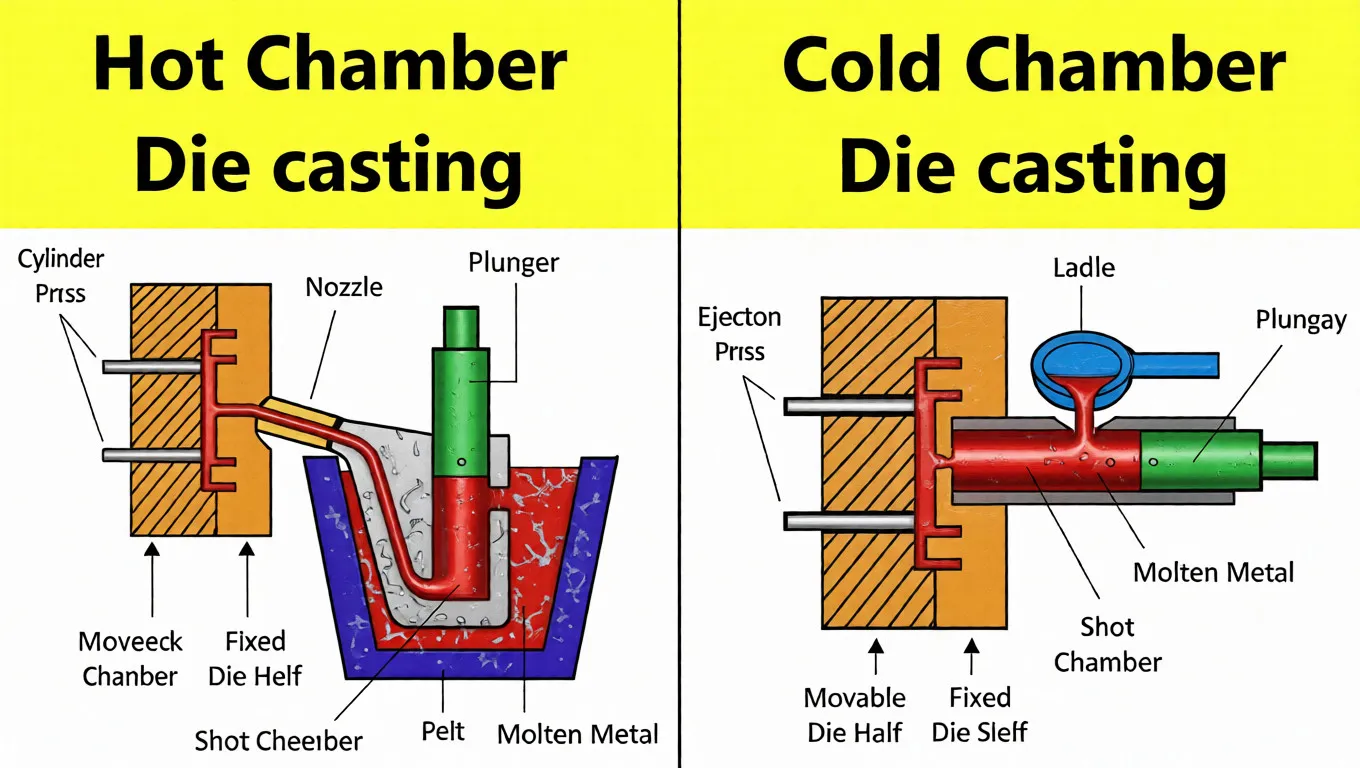
The Differences Between Hot And Cold Chamber Die Casting
Some of the major differences include:
✔️ Heating Method
Hot chamber machines have an integrated furnace, keeping molten metal continuously available. Cold chamber uses a separate furnace, requiring metal to be manually ladled into the injection cylinder.
✔️ Suitable Metals
Hot chamber is ideal for low-melting-point alloys. Cold chamber accommodates high-melting-point metals.
✔️ Production Speed
Hot chamber is faster, with cycles of 15–20 seconds. Cold chamber is slower due to the extra step of transferring molten metal.
✔️Cost
Hot chamber has lower upfront costs and is highly economical for high-volume runs. Cold chamber requires more auxiliary equipment, raising initial investment.
✔️ Casting Quality
Hot chamber parts tend to have lower density and higher porosity. Cold chamber produces denser, higher-integrity castings with less porosity.

Our Ideas Have Helped Clients Bring Hundreds Of Products To Market

Advantages of Hot Chamber Die Casting
Hot chamber die casting offers multiple compelling benefits for metal production:
✔️Superior Surface Finish & Dimensional Accuracy
· Parts feature smooth surfaces, precise dimensions, and tight tolerances.
✔️High-Speed Mass Production
· Achieves up to 15 cycles per minute, ideal for large-volume manufacturing.
✔️Cost-Effective Production
· Lower initial investment, high throughput, and minimal material waste reduce overall costs.
✔️Complex Geometry & Material Versatility
· Enables intricate designs and works with a range of low-melting-point alloys.
✔️Extended Die Life
· Low-temperature alloys reduce thermal stress, prolonging tooling service life.
Disadvantages of Hot Chamber Die Casting
Partner with us to create supply chain resilience, then streamline and optimize your full product lifecycle to deliver full value.
✔️ Material Restrictions
· Limited to low-melting-point alloys, this method cannot process high-temperature metals, narrowing material options.
✔️ Porosity & Density Issues
· Lower casting density increases porosity risk, potentially creating hot spots and compromising part performance.
✔️ Size & Complexity Limits
· Struggles with large or highly complex designs, which are harder to produce and more costly.
✔️ Poor Low-Volume Economics
· Requires significant upfront capital for specialized equipment, which can burden smaller operations.
✔️ High Initial Investment
· Requires significant upfront capital for specialized equipment, which can burden smaller operations.
✔️ Labor & Skill Requirements
· Demands skilled operators to manage complex machinery, increasing labor intensity.
✔️ Flashing & Waste
· High injection pressure often causes flashing, adding post-processing work and material waste.

Quick links
Technical video

Manufacturing on Demand
Please fill in the following information to obtain plan details (information is confidential and not disclosed publicly), we will contact you within 24 hours, please keep your phone available!

Upload a 3D/2D model to see instant pricing, lead time, and DFM feedback.