SLS 3D Printing Service
Order custom SLS parts suitable for rapid prototyping, functional testing, and end-use production.
Get an online quote now.
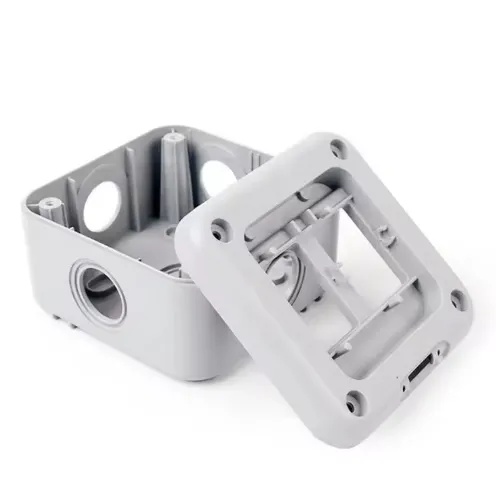
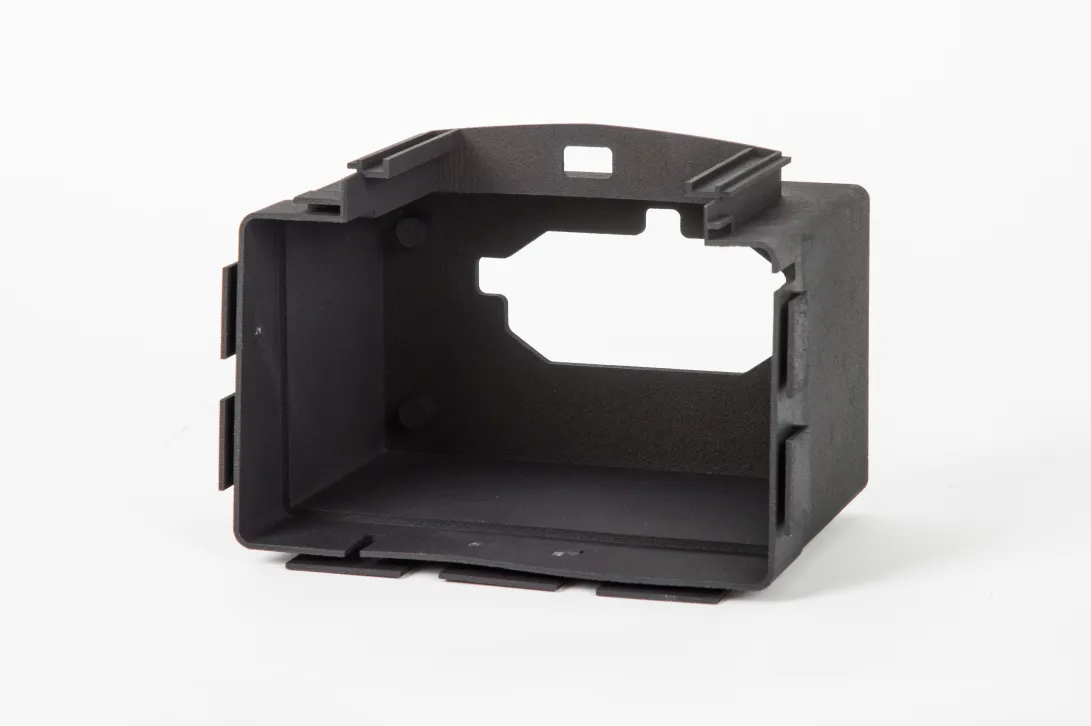
Selective laser sintering (SLS) is an industrial 3D printing process, delivering accurate prototypes and functional parts in 1 day. It offers nylon-based materials and TPU for durable, high-performance parts. Support-free printing enables multi-part nesting, providing an economical solution for high-volume needs.


Why Use SLS?
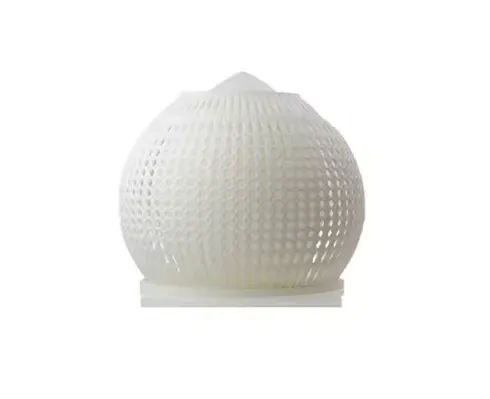
Choosing SLS 3D printing offers notable benefits for industrial prototyping and production. It delivers fast turnaround (accurate, functional parts in as little as one day) and supports diverse materials like nylon and TPU for durable, high-performance parts. Support-free printing enables multi-part nesting, reducing waste and costs—ideal for high-volume needs. It also handles complex geometries, expanding design possibilities for efficient, versatile solutions.
Design Guidelines
Our basic guidelines for selective laser sintering include important design considerations to help improve part manufacturability, enhance cosmetic appearance, and reduce overall production time.
| Type | Options | US | Metric |
| Max Dimensions | Nylon, TPU, and other PA12 Materials | 12.2 in. x 10.3 in. x 10 in. | 309.88mm x 261.62mm x 254mm |
| PP (Polypropylene) | 12.2 in. x 10.3 in. x 8 in. | 309.88mm x 261.62mm x 203.2mm | |
| PA12 White | 19 in. x 19 in. x 17 in. | 482mm x 482mm x 431mm | |
| Layer Thickness | Layer Thickness | 0.004 in. | 0.1016mm |
| Wall Thickness | Minimum Wall Thickness | 0.030 in. | 0.762mm |
| Minimum Feature Size | Nylons | 0.03 in. | 0.762mm |
| PP and TPU | 0.04 in. | 1.01mm | |
| Tolerances | For well-designed parts, tolerances of ±0.010 in. (0.25mm) plus 0.1% of nominal length can typically be achieved. Note that tolerances may change depending on part geometry. | ||
| Warpage | Larger part sizes (>7 in.) and parts with thin features are the most susceptible to warp. We recommend maintaining a uniform thickness of 0.125 in. (3.175mm) to ensure stability. | ||
Our Ideas Have Helped Clients Bring Hundreds Of Products To Market

SLS Material Options
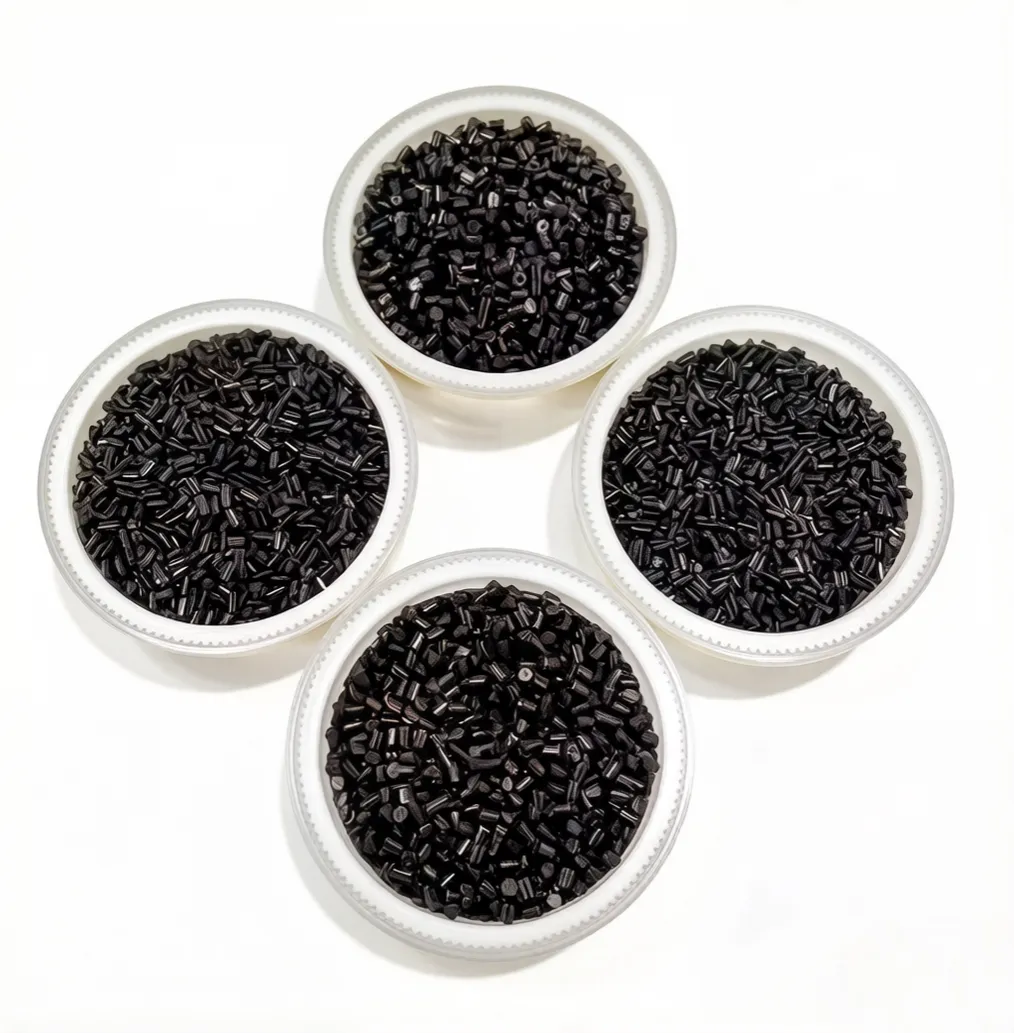
✔️ PA 11 Black (PA 850)
✔️ PA12 Black
✔️ PA 12 White (PA 650)
✔️ PA 12 Value
✔️ PA12 Mineral-Filled (PA620-MF)
✔️ PA12 40% Glass-Filled (PA614-GS)
✔️ Polypropylene Natural
✔️ TPU 70-A
Surface Finish Options
✔️ Standard
Bead blast to remove all powder, which leaves a consistent overall texture.
✔️ Vapor Smoothing
Significant reduction of surface roughness from 250+ μin RA (as-printed) to 64 – 100 μin RA (after smoothing. Available for PA11 Black.
✔️ Custom
Secondary options include a primer or dye color that can be applied as well as taps and inserts.


How Does SLS 3D Printing Work?
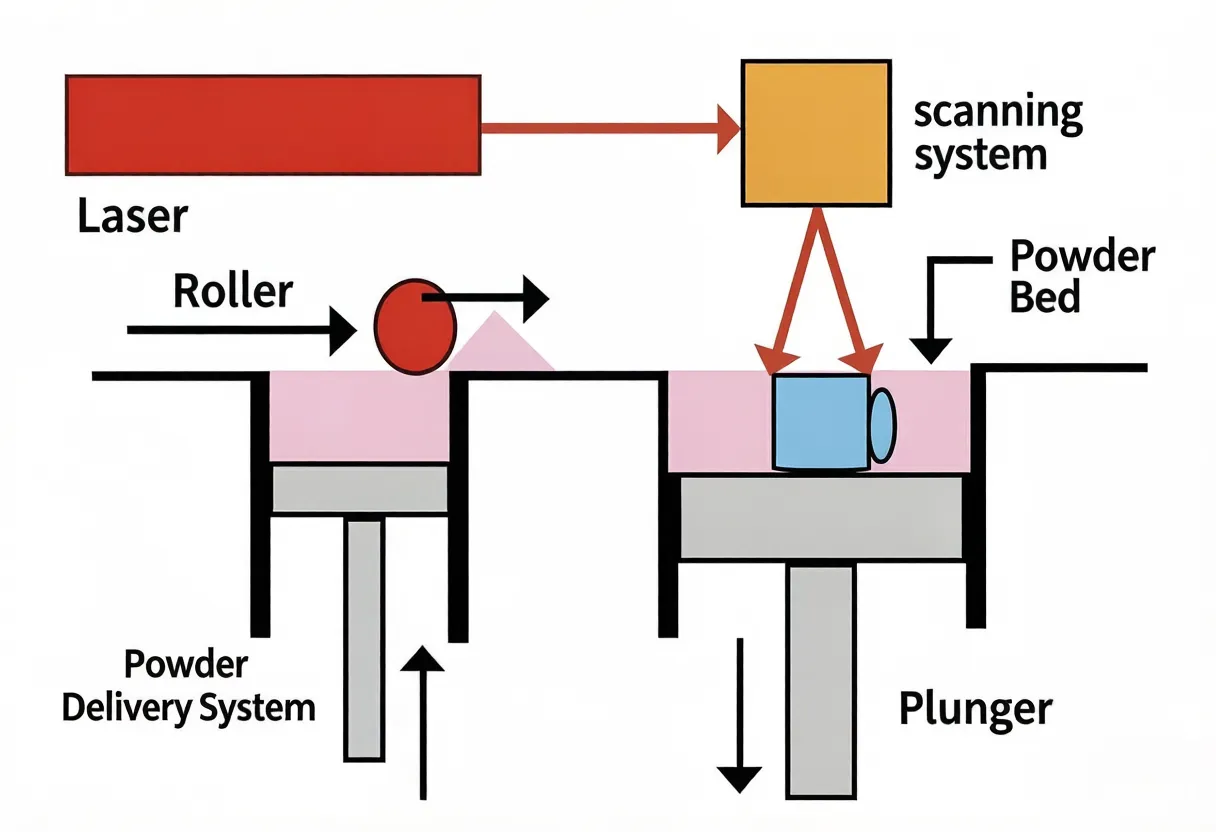
The SLS machine starts by sintering each layer of the part geometry within a heated bed of nylon‑based powder. Once a layer is fused, a roller sweeps across the bed to apply a fresh layer of powder. This layer‑by‑layer cycle repeats until the entire build is finished.
After printing, the full powder bed containing the parts is transferred to a breakout station. The bed is raised, and parts are carefully extracted. A manual brushing removes most loose powder, followed by bead blasting to eliminate any remaining residue. Parts are then sent to the finishing department for final processing.
Quick links
Technical video

Manufacturing on Demand
Please fill in the following information to obtain plan details (information is confidential and not disclosed publicly), we will contact you within 24 hours, please keep your phone available!

Upload a 3D/2D model to see instant pricing, lead time, and DFM feedback.